
Meet OCEARCH’s New Research Investigator, Dr. James Anderson
OCEARCH is pleased to welcome Dr. James Anderson, PhD, as its new Research Investigator.
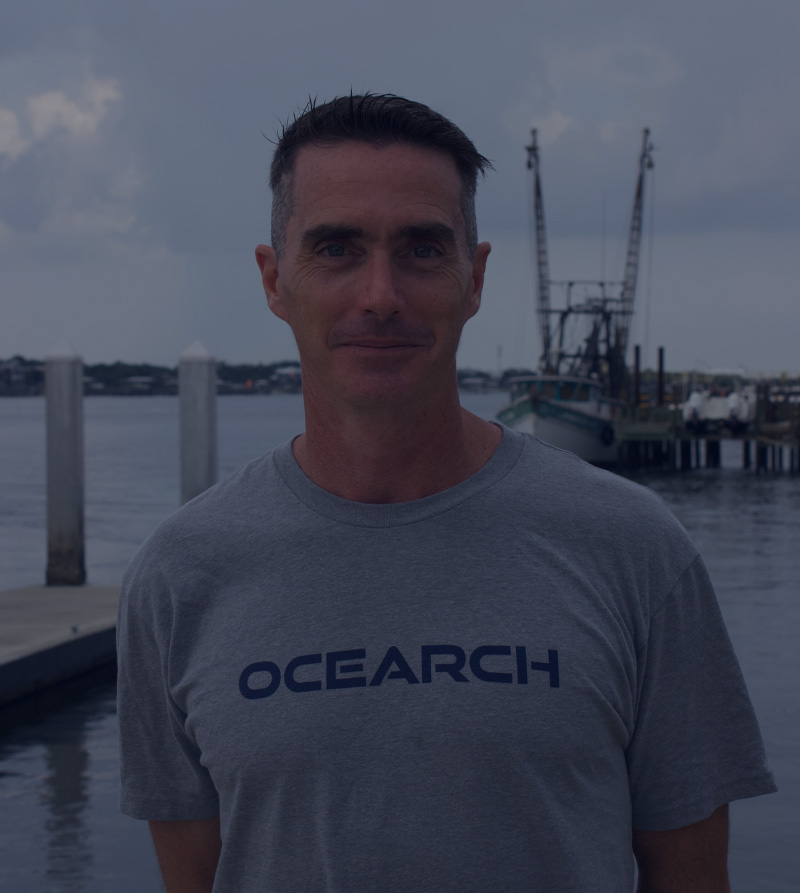
Dr. Anderson is a marine biologist whose research focuses on shark behavior, movement ecology, and coastal habitat use. Before joining OCEARCH, he worked as a researcher at the California State University, Long Beach Shark Lab.
He earned his PhD in Zoology from the University of Hawaiʻi at Mānoa, where he studied elasmobranch sensory biology, quantitative ecology, and physiology. His doctoral research examined how sharks and other elasmobranchs perceive and use magnetic fields during navigation. His work has also explored the movements and habitat use of adult female scalloped hammerheads in Hawaiʻi and juvenile white sharks in California.
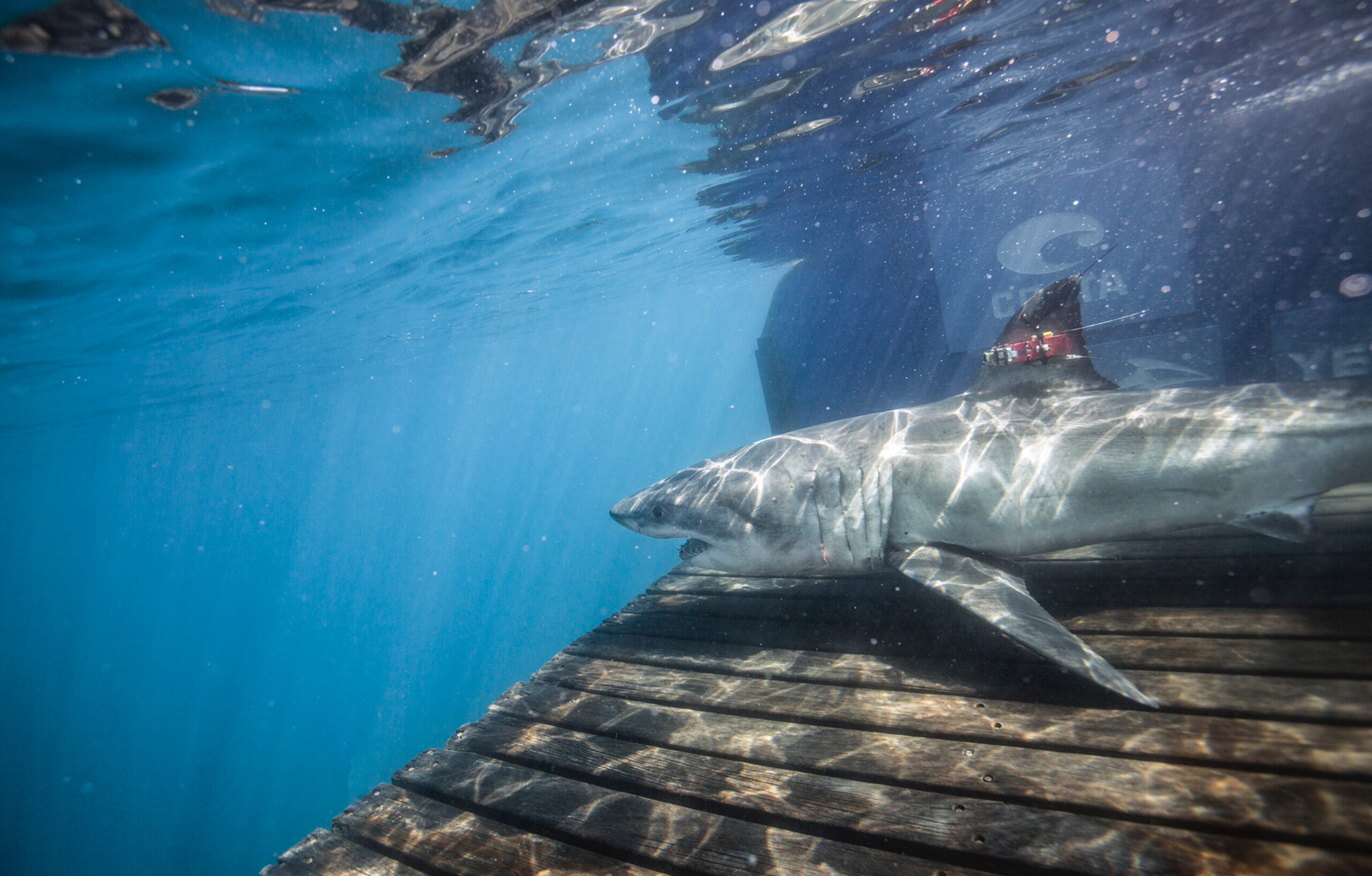
At OCEARCH, Dr. Anderson provides scientific leadership across the organization’s research programs. He leads projects focused on white shark population status, life history, habitat use, and health, while helping ensure that research is conducted with the highest standards of scientific quality and animal welfare.
He also supports expedition field operations, coordinates scientific personnel, manages research documentation, and works with OCEARCH leadership, universities, expedition partners, and research collaborators to advance the impact of OCEARCH’s data and discoveries.
As a science communicator and ocean conservationist, Dr. Anderson helps share research findings with the OCEARCH Board of Directors, media, and the public. He also contributes to peer-reviewed publications, educational programming, and efforts to translate research into practical tools for conservation, coastal management, and shark–human coexistence.
Outside of his work, Dr. Anderson enjoys outrigger canoe paddling, surfing, fishing, and spending time on and around the ocean. OCEARCH is excited to welcome him to the team and looks forward to the knowledge and leadership he will bring to the organization’s research and conservation efforts.