
OCEARCH helped launch a game-changing project to stop illegal trafficking in shark products. While OCEARCH’s direct support of this project concluded in 2024, the work has continued to grow — and the impact keeps spreading.
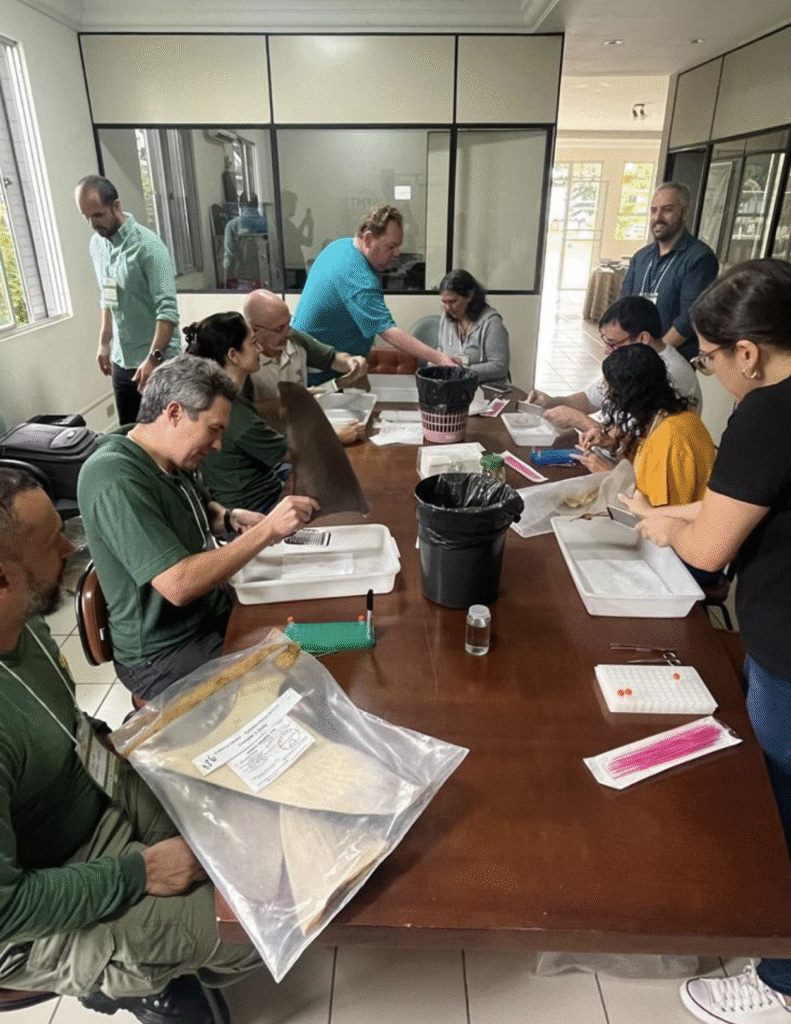
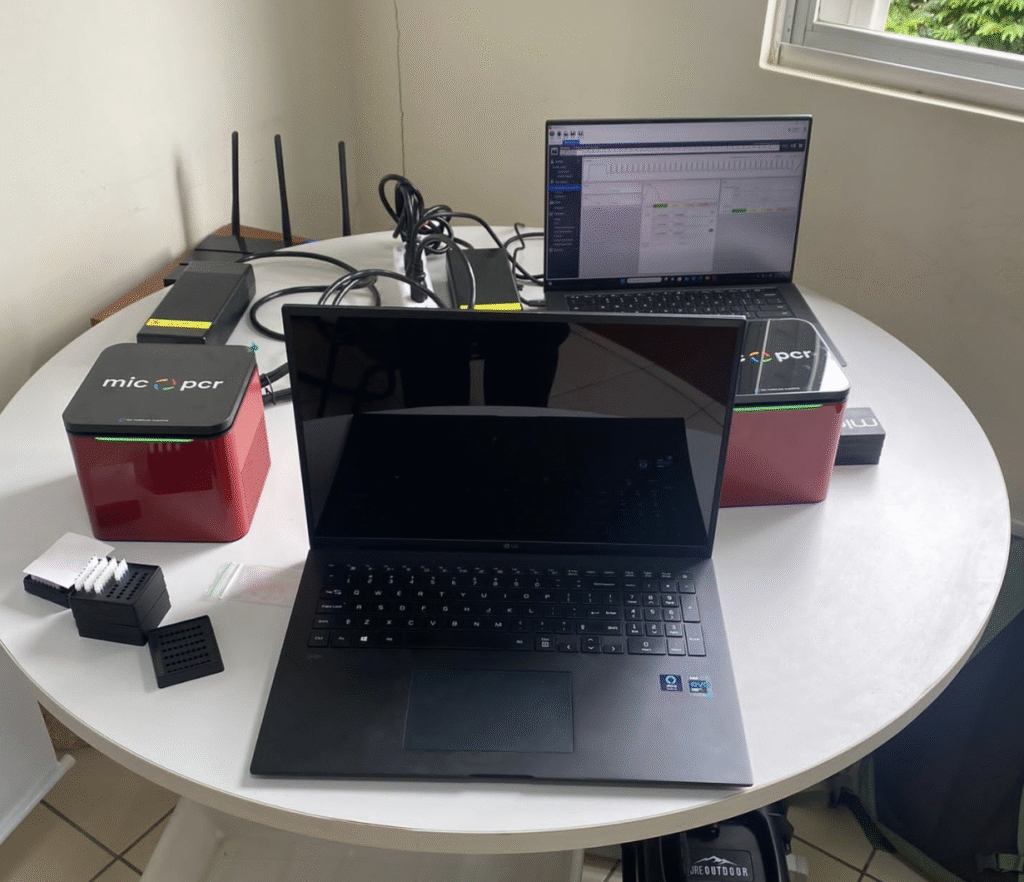
OCEARCH initially funded the deployment and training for a portable DNA identification method — the “DNA Toolkit” — developed by Dr. Demian Chapman (Mote Marine Laboratory) and Dr. Diego Cardeñosa (Florida International University). That early support enabled customs agencies in multiple countries, such as Brazil, to begin using rapid, field-ready DNA testing to detect illegal shark fins and meat at ports and border crossings. Because of that early investment, the program has been able to expand its reach and refine its methods worldwide.
WHAT THE TOOLKIT DOES NOW
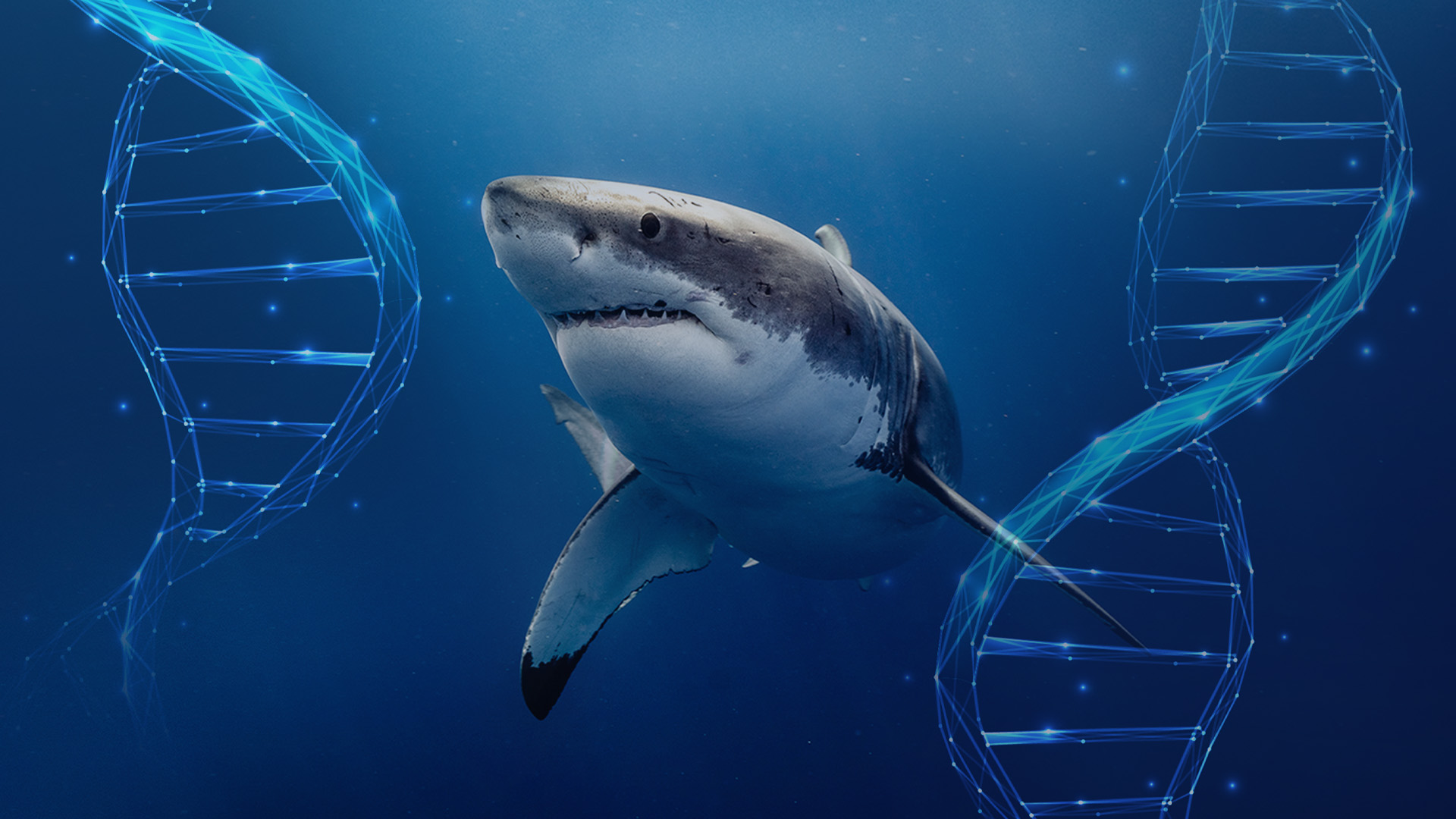
Over the last two years, Dr. Cardeñosa developed a new chemical protocol that dramatically improves the Toolkit’s capabilities while still using the same hardware that agencies were trained on. The updated process can now identify approximately 150 species of sharks and rays with roughly 99% accuracy, aided by machine learning. Because the hardware remains unchanged, the training and capacity-building OCEARCH supported in Brazil and other countries remain directly relevant and immediately useful.
HOW THE TECHNOLOGY WORKS
The DNA Toolkit is a small, transportable system that uses rapid PCR-style chemistry to identify species from tissue samples. When a product suspected of coming from a protected or illegal species enters a country, border officers can test the sample on site and determine species identity in roughly two hours at a very low per-sample cost. These fast, inexpensive tests are designed for deployment in areas with high levels of wildlife trafficking to disrupt illegal supply chains and support prosecutions.
WHERE IT IS BEING USED
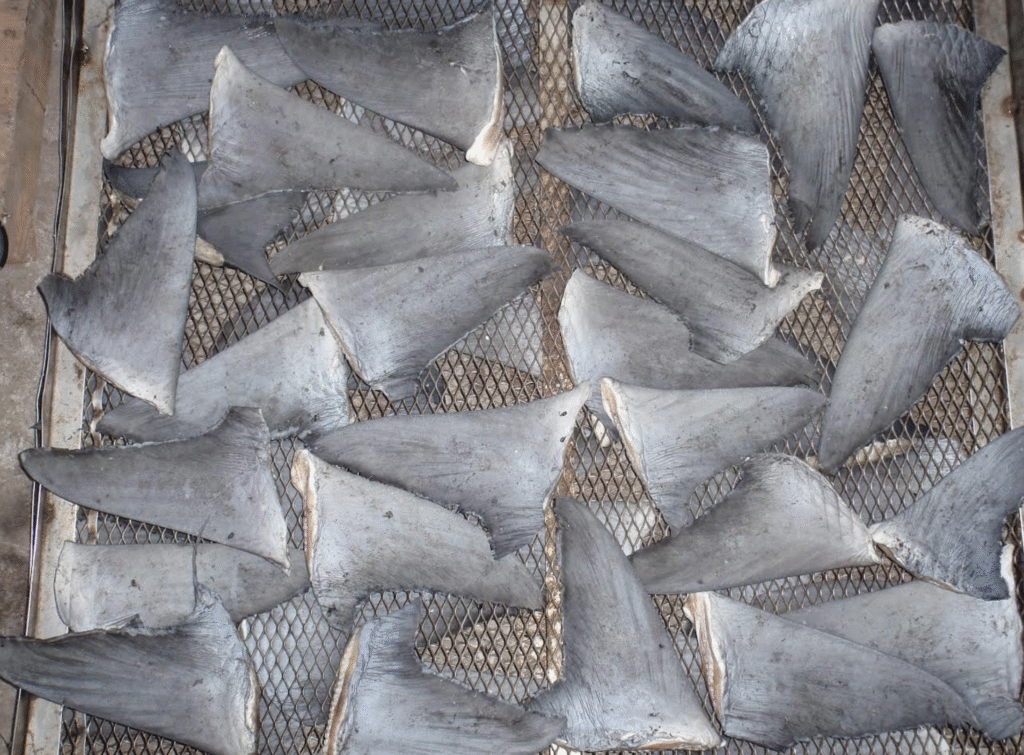
Thanks to continued development and international partnerships, the technology is now in use in jurisdictions around the world, including Hong Kong, the United States, Canada, Brazil, Ecuador, Panama, Tanzania, Mozambique, Samoa, Malaysia, and Sri Lanka. Notably, Hong Kong authorities used the Toolkit to help seize more than seventy tons of illegal shark fins and have adapted the method to identify other trafficked wildlife, such as freshwater eels — leading to prosecutions that were previously difficult to achieve.
OCEARCH’S ROLE AND LEGACY
OCEARCH’s early funding paid for essential PCR equipment, reagents, transportation, and hands-on training workshops that built local capacity. The organization also supported follow-up remote assistance and coordination with collaborating scientists, including OCEARCH Scientist Dr. Bob Hueter and the OCEARCH science team. Although direct funding ended in 2024, that foundational work accelerated subsequent improvements and international adoption — amplifying the project’s impact far beyond its initial scope.
WHAT’S NEXT?
The DNA Toolkit program continues to expand. Recent and planned in-person trainings in Latin America and elsewhere build on OCEARCH-supported capacity. Future directions include deeper collaboration on environmental DNA (eDNA) applications, expanded research partnerships, and broader educational outreach to help customs, conservationists, and communities use genetic tools to protect vulnerable species. These developments show how an early investment in practical capacity-building can seed long-term, scalable solutions to wildlife trafficking and species conservation.