

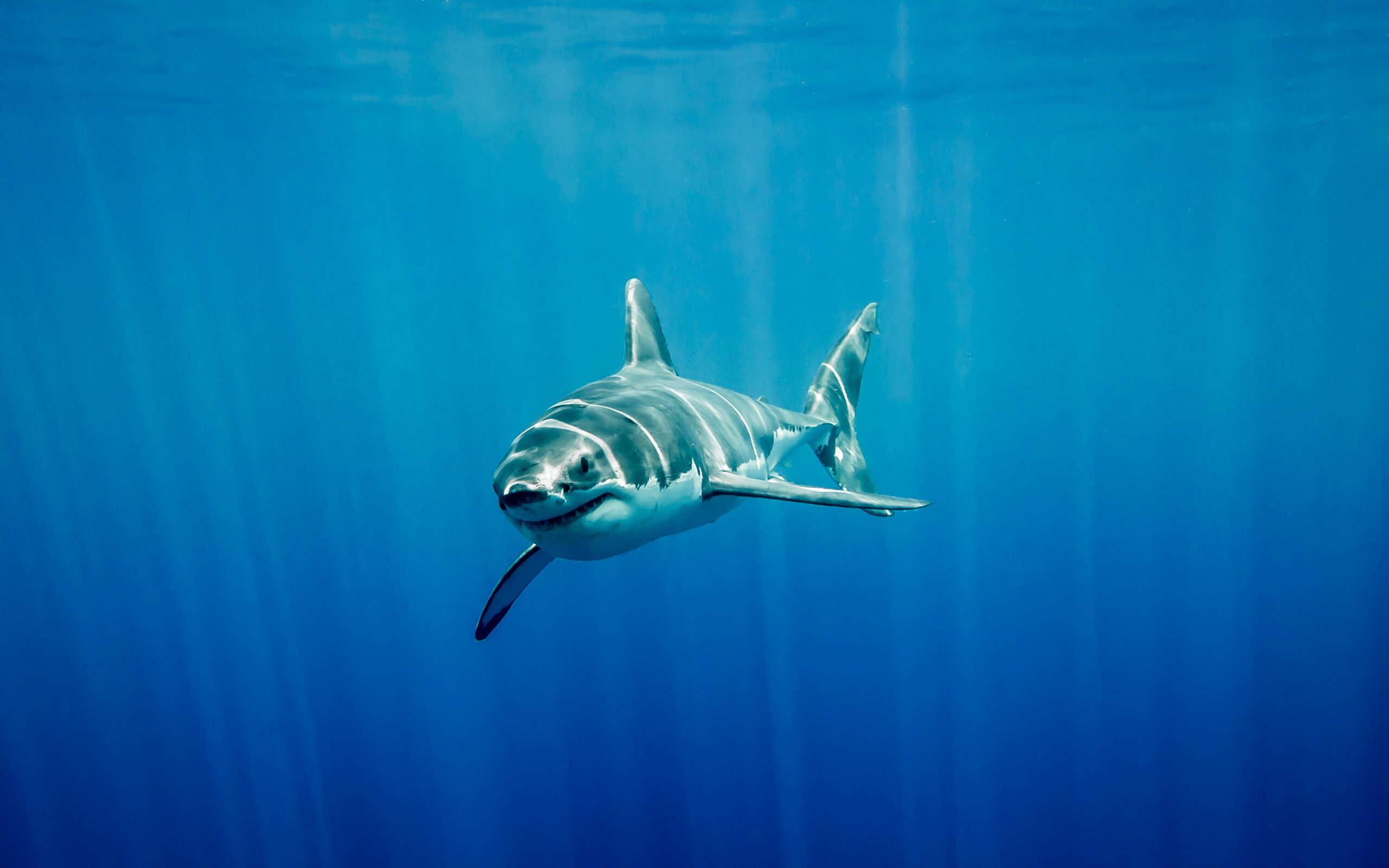
OCEARCH SHARK TRACKER: Your Top Shark Questions Answered
Curious about sharks, their migration patterns, and where they roam right now? The OCEARCH Global Shark Tracker™ lets you follow the real-time movements of Great White Sharks, Tiger Sharks, Hammerheads, Mako Sharks, Whale Sharks, and more across the world’s oceans. Updated constantly through satellite and acoustic tags, our shark tracking map allows you to explore migration routes, discover critical habitats, and learn the science behind these apex predators.
Below, we answer the most frequently asked questions about sharks—covering shark behavior, diet, biology, and conservation. Whether you’re a student, educator, researcher, or simply an ocean enthusiast, the OCEARCH Shark Tracker and free mobile app give you an unmatched window into the world of sharks.
1. Where Are Sharks Right Now?
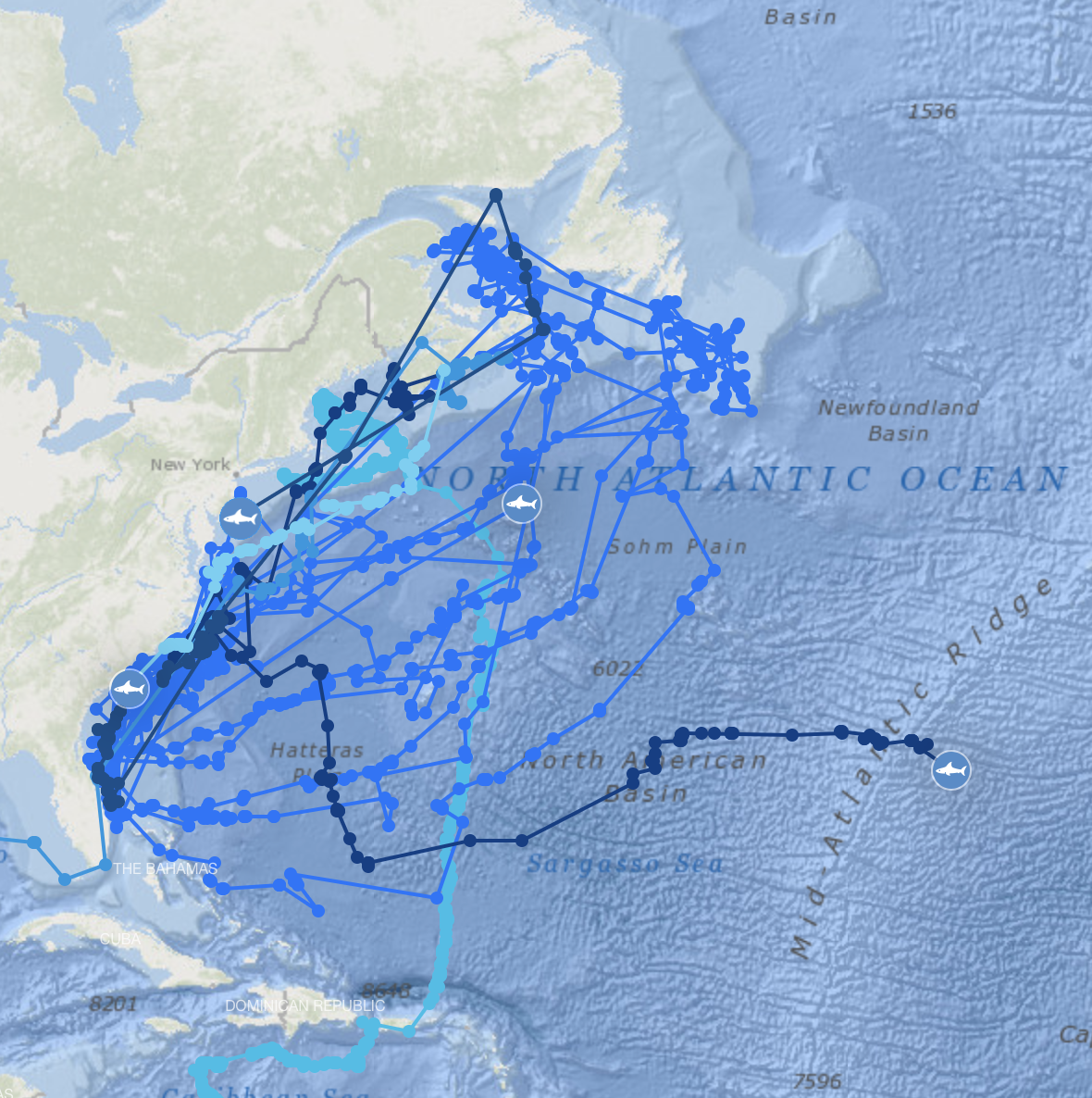
Sharks are constantly on the move—and now you can follow along. The OCEARCH Global Shark Tracker map lets you:
- Track sharks in real time with satellite data
- Filter by species, name, or location
- Explore hotspots like Florida, Cape Cod, the Carolinas, California, the Gulf of Mexico, the Mediterranean, and Atlantic Canada
- View the famous “shark migration highway” along the U.S. East Coast
Download the free OCEARCH Shark Tracker App to follow your favorite sharks anywhere you go.


2. Are Sharks Dangerous to Humans?
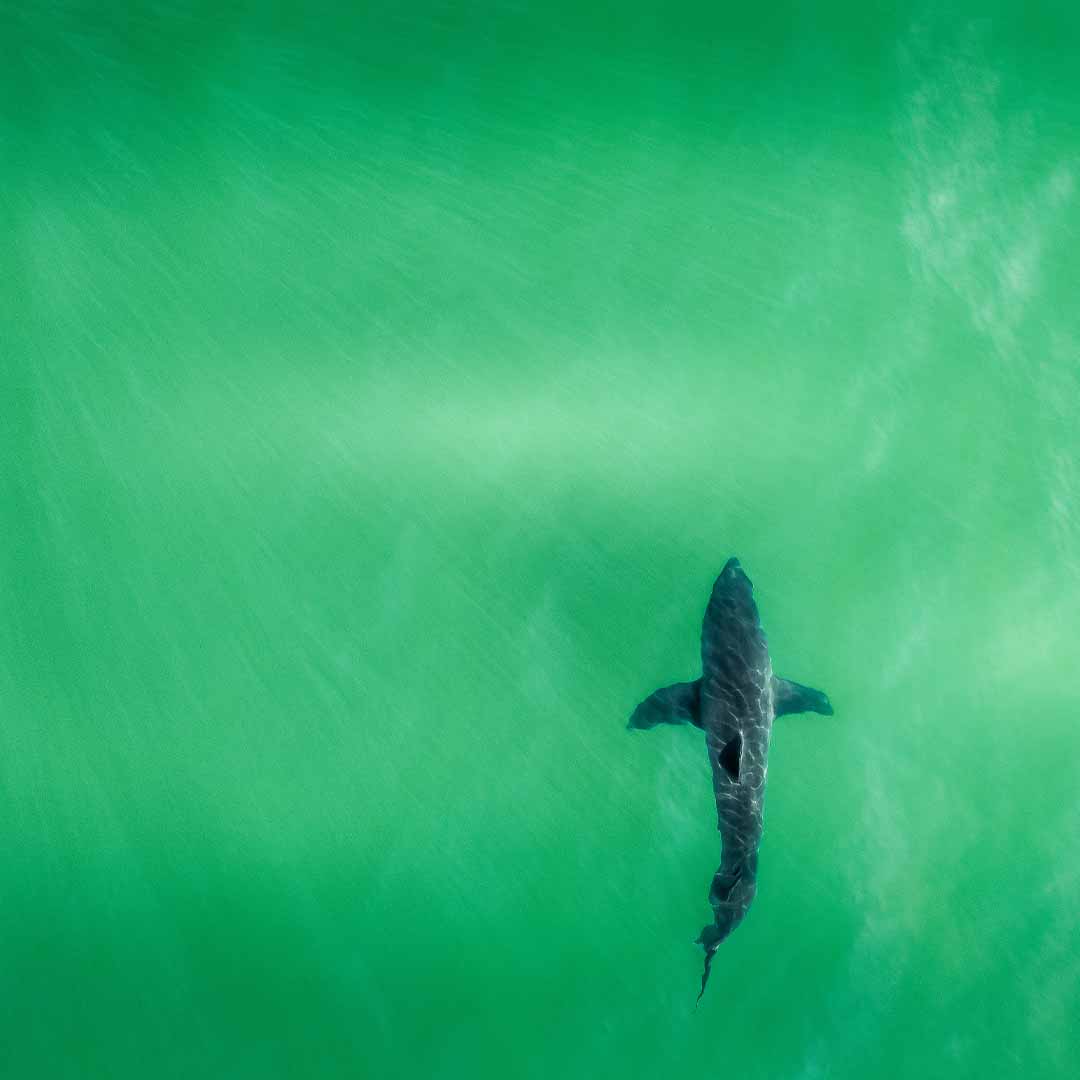
Despite their reputation, most shark species are harmless. A few—like Great Whites, Bull Sharks, Tiger Sharks, and Oceanic Whitetips—are responsible for the majority of unprovoked bites. Still, shark bites are extremely rare. Most are cases of mistaken identity, when a shark confuses swimmers or surfers for seals or fish. Statistically, you’re more likely to be struck by lightning or injured by a pet than bitten by a shark.
3. What Do Great White Sharks Eat— and How Do They Hunt?
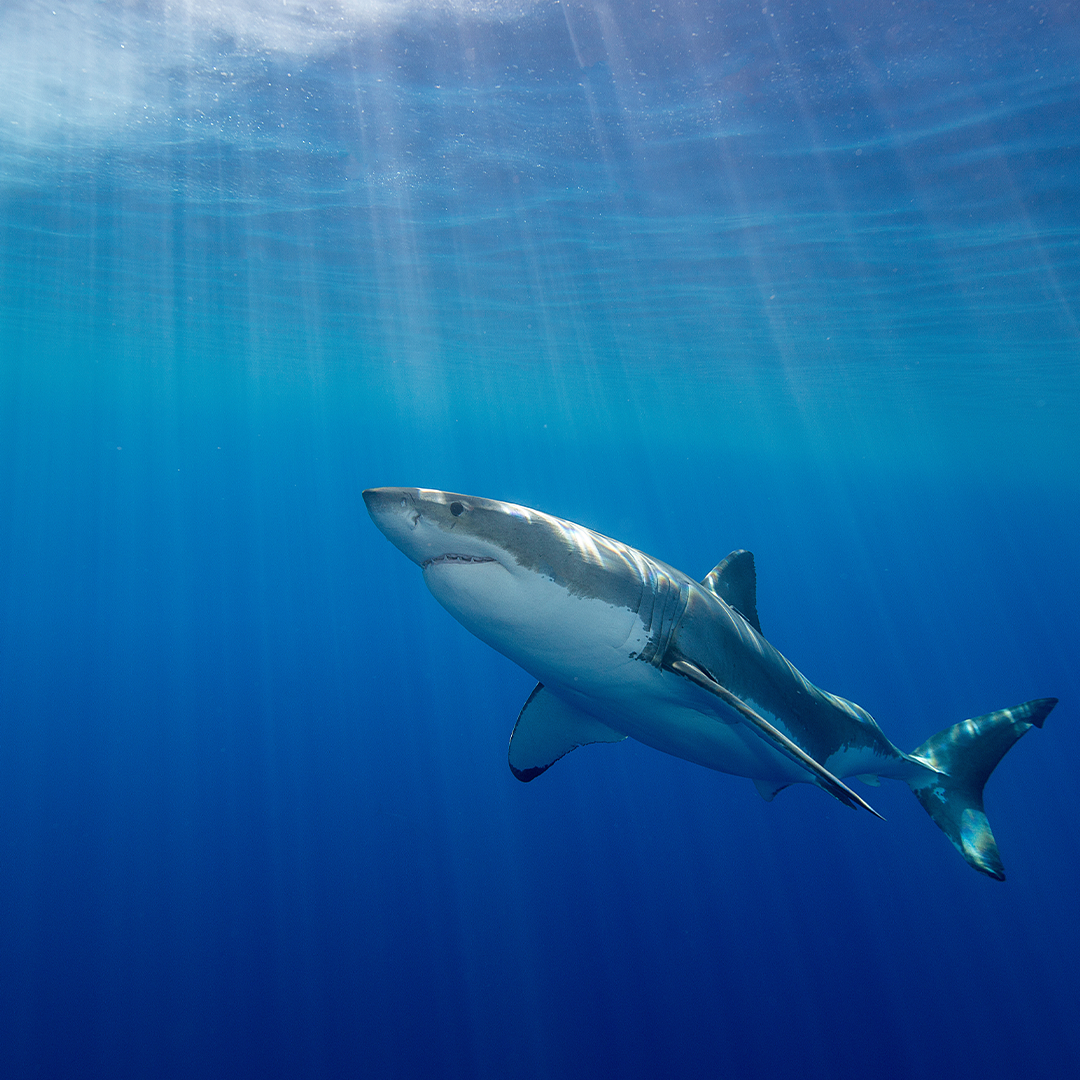
Great Whites are apex predators with diverse diets, including:
- Seals and sea lions
- Fish and rays
- Smaller sharks
- Whale carcasses
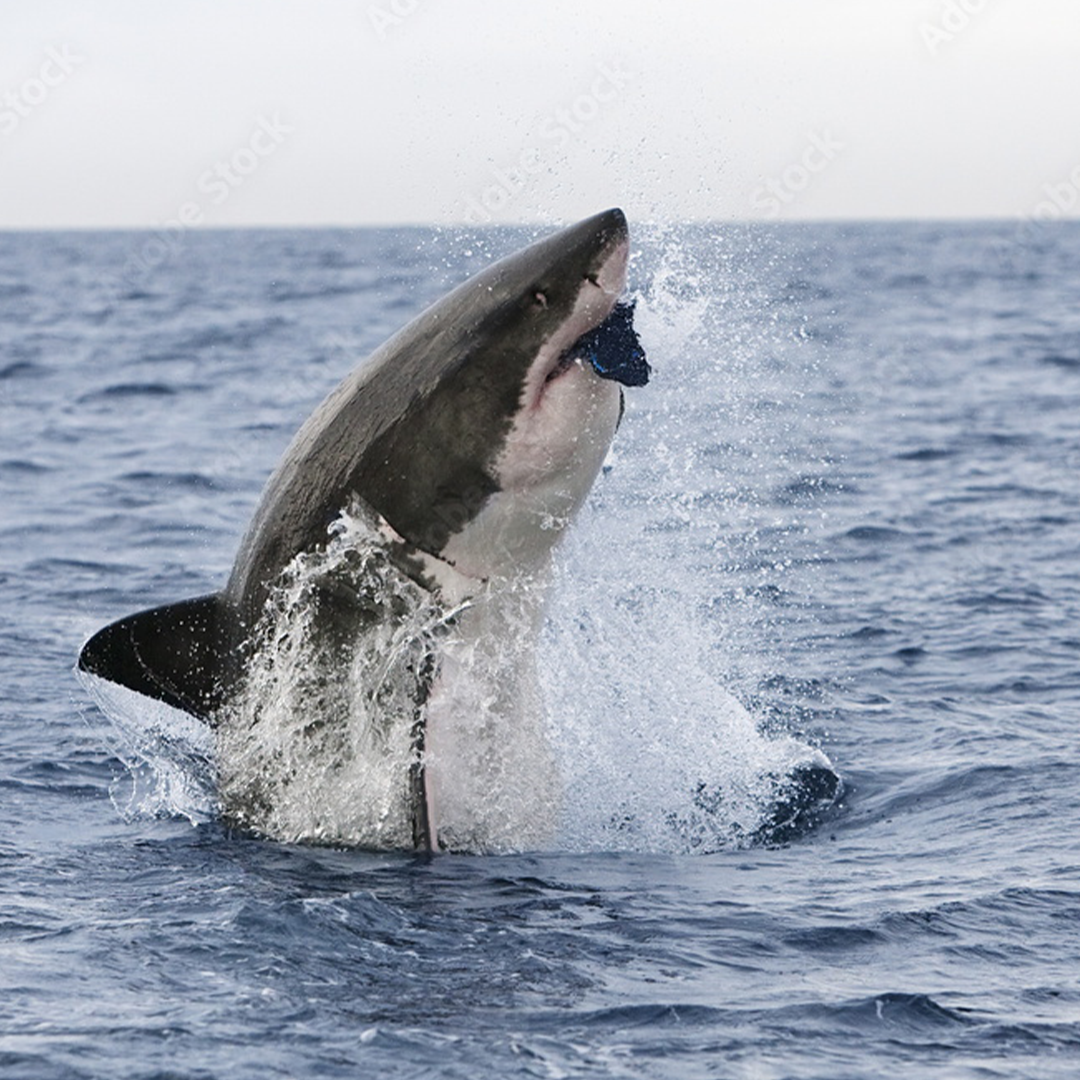
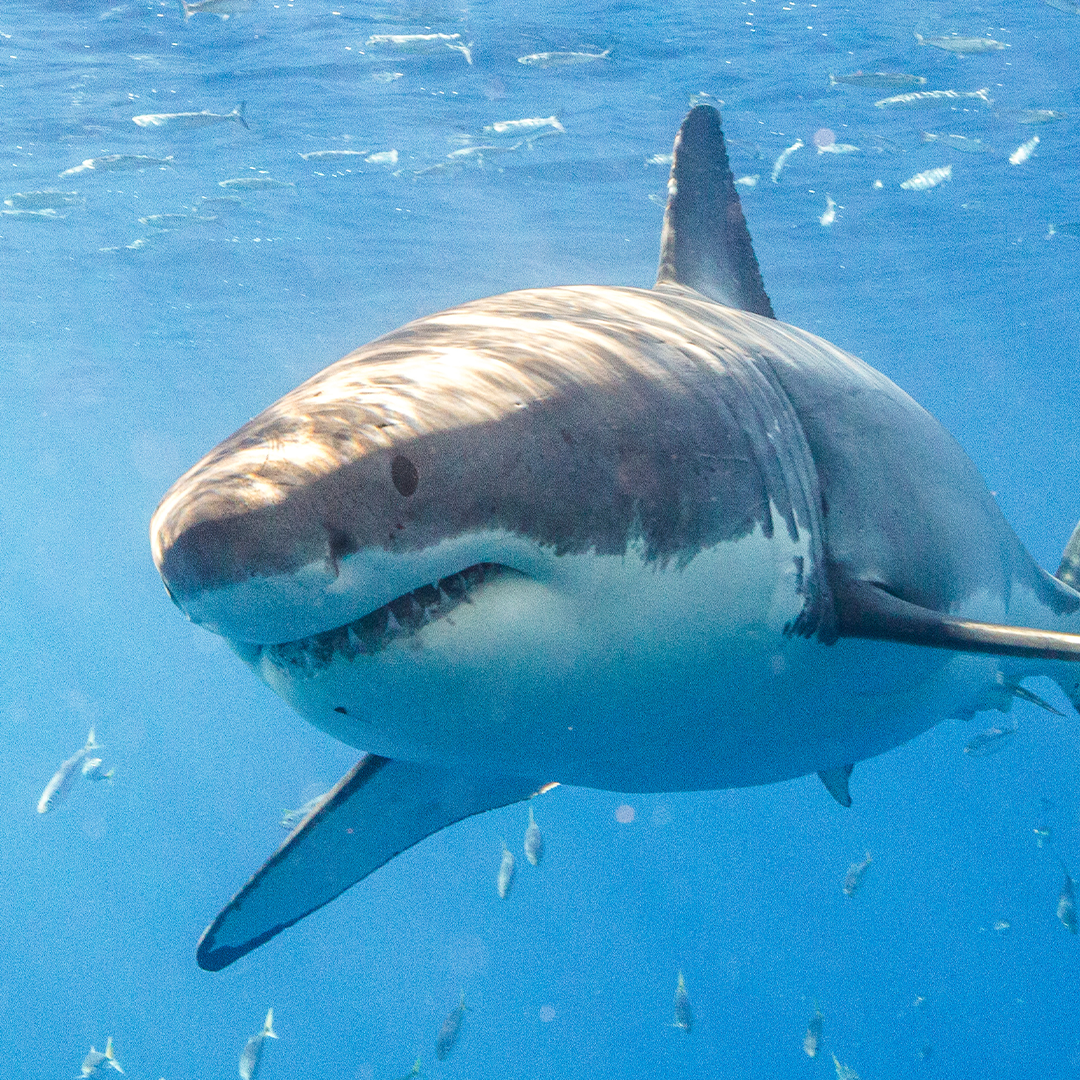
They often hunt using stealth—approaching from below before breaching the surface in a powerful strike. This iconic hunting behavior is famously seen off South Africa’s Seal Island.
4. How Big Can Great White Sharks Get?
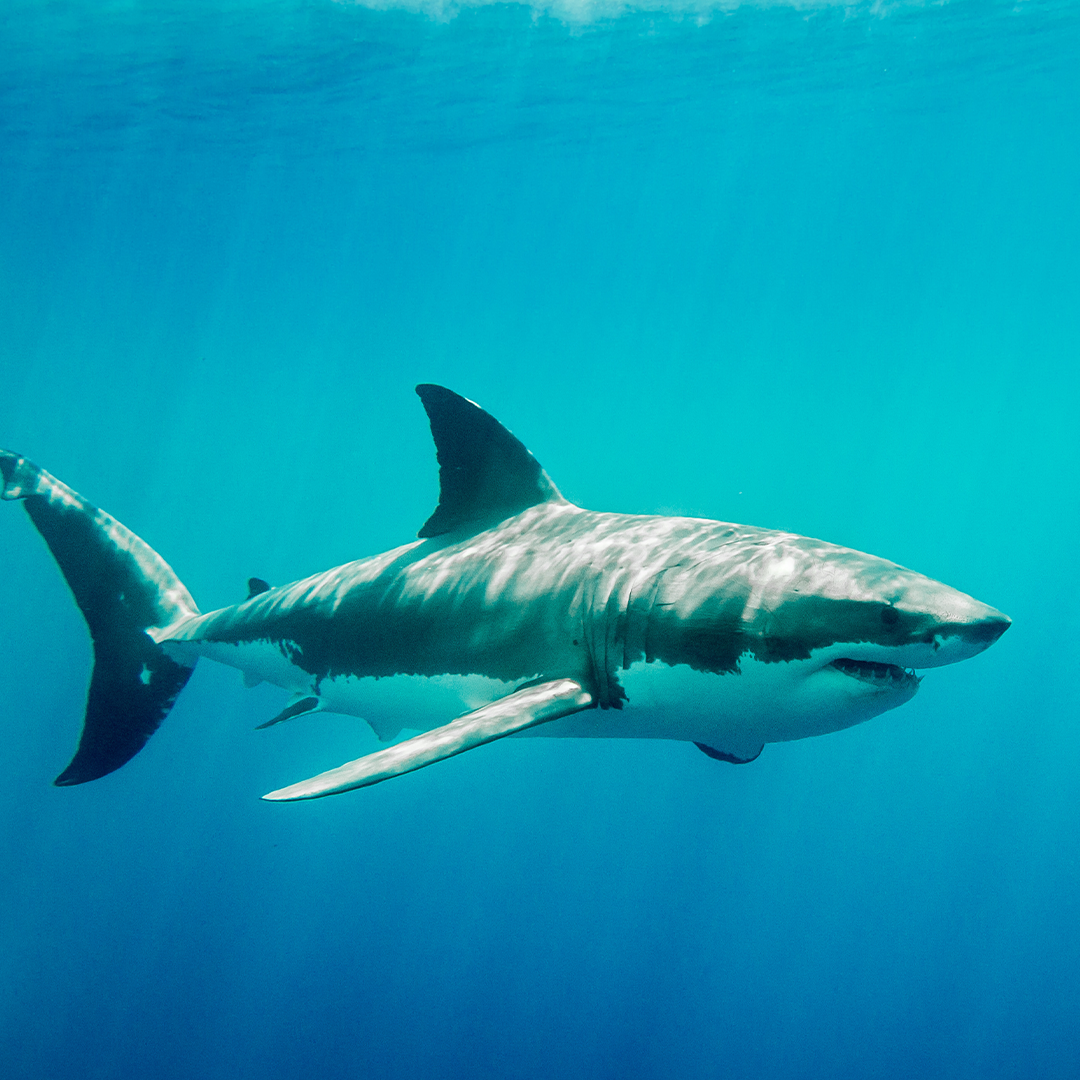
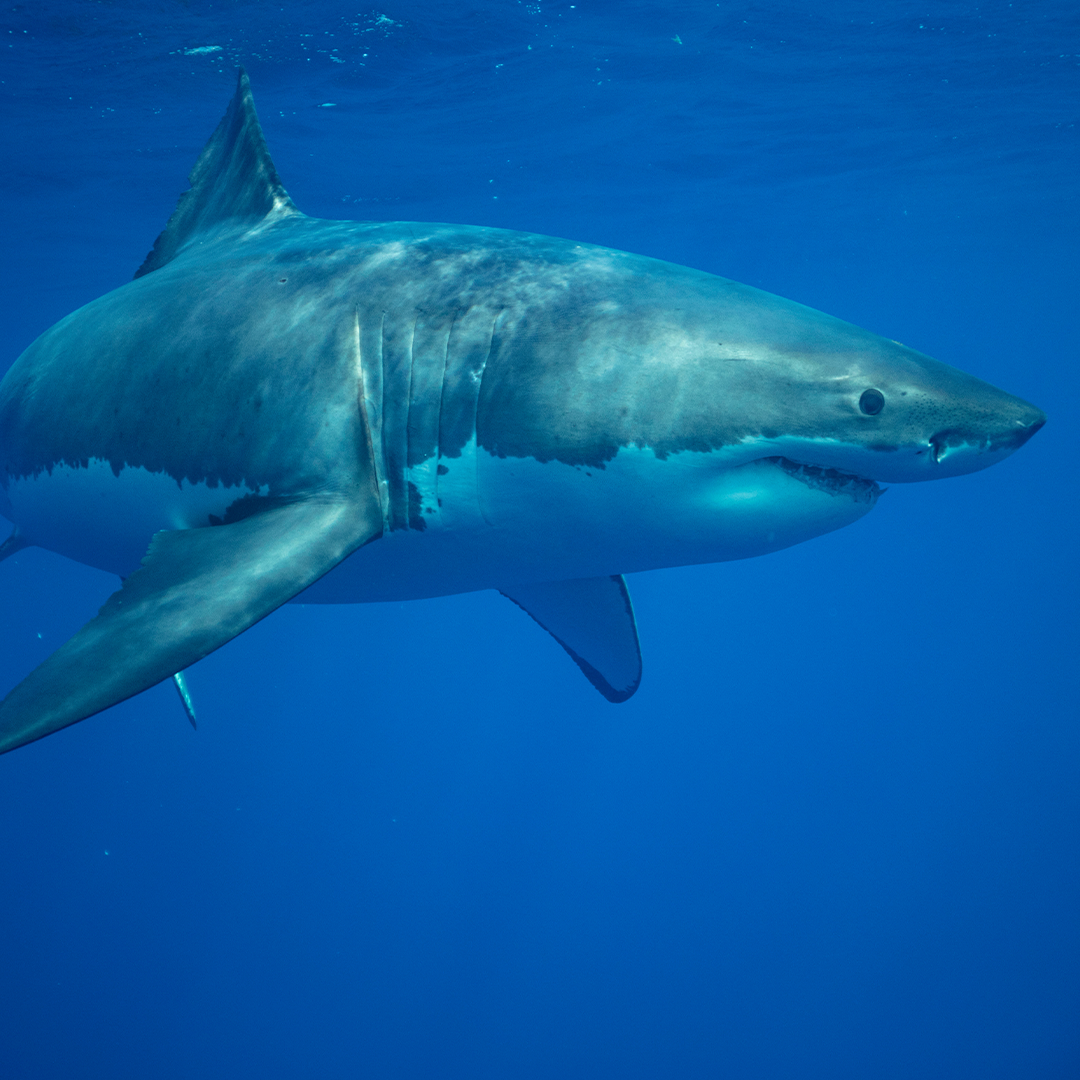
Great Whites can grow up to 20 feet long and weigh over 5,000 pounds. Females are generally larger than males.
The largest male OCEARCH has tagged is Contender, measuring nearly 14 feet.
You can explore some of the world’s biggest sharks live on the OCEARCH Tracker.
5. How Do Sharks Reproduce—and How Long Do They Live?
Sharks reproduce in three different ways:
- Oviparous: lay eggs (e.g., catsharks)
- Viviparous: live birth with placenta-like connection (e.g., bull sharks)
- Ovoviviparous: eggs hatch inside the mother, then live birth (e.g., Great Whites)
Fun Fact: Males fertilize females internally – using modifications of their pelvic fins, called claspers.
Great White Sharks can live up to 70 years, while Greenland sharks may live for centuries.
6. Are There Sharks That Can Live in Freshwater?
Yes—Bull Sharks are uniquely adapted to survive in both saltwater and freshwater. They’ve been found in rivers like the Mississippi (U.S.), Lake Nicaragua (Central America), and the Brisbane River (Australia). OCEARCH has tagged Bull Sharks in estuaries to study this adaptability.
7. How Do Sharks Use Their Senses to Survive?
Sharks are elite hunters thanks to six powerful senses:
- Smell
- Hearing
- Vision
- Touch (lateral line system)
- Taste
- Electroreception (detecting prey through electric signals)
These adaptations make sharks some of the ocean’s most efficient predators.

8. Are Great White Sharks Endangered or Protected?
Globally, Greats whites are protected in most countries (like the US); they are listed as endangered in some countries. (like in Canada). Sharks are facing threats from overfishing, bycatch, habitat loss, and prey decline.
OCEARCH research provides the critical data needed to guide conservation policy and protect shark populations worldwide.
9. What Are the Predators of Great White Sharks?
Though apex predators themselves, Great Whites have enemies:
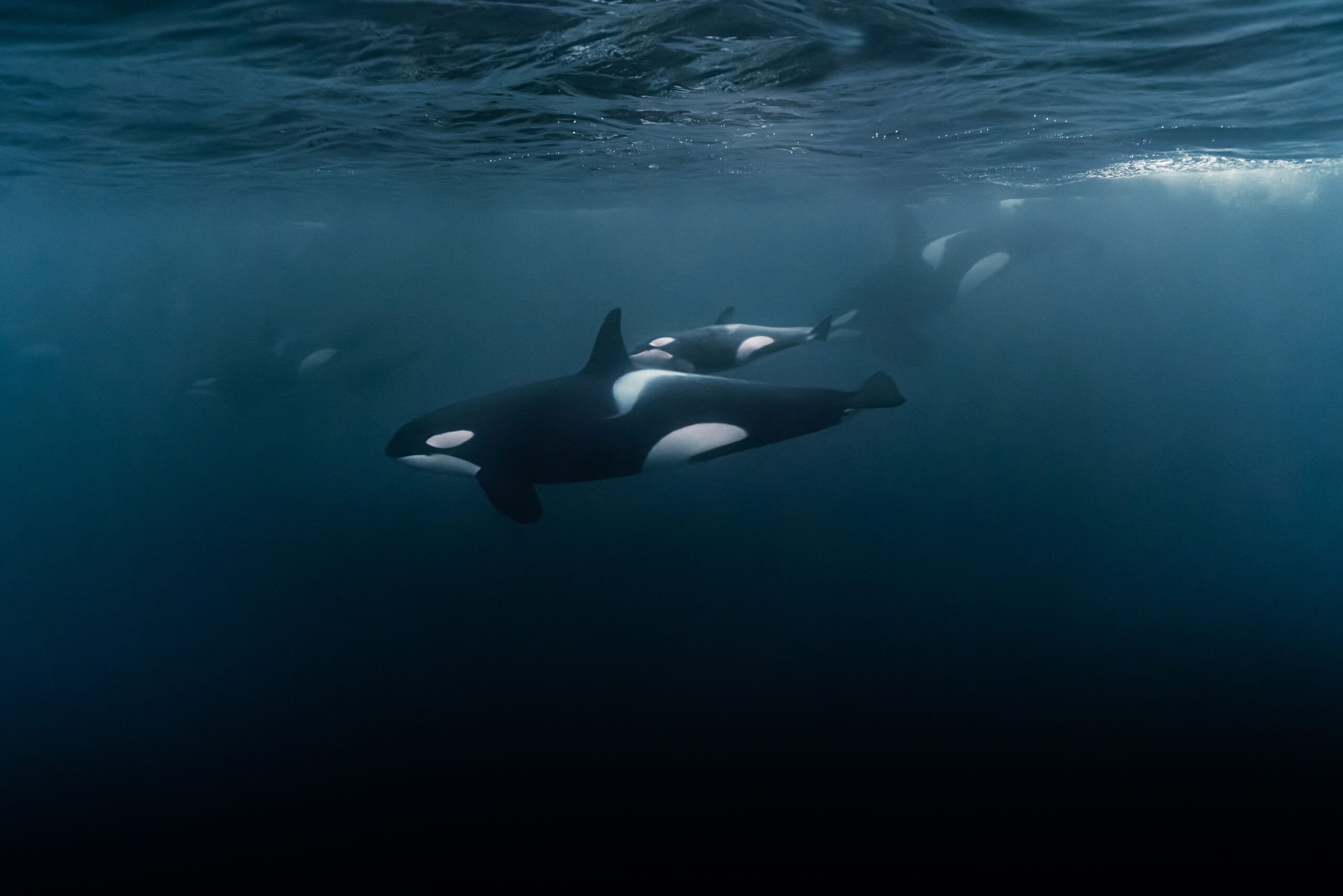
- Orcas (killer whales) are known to prey on them, often targeting their nutrient-rich livers.
- Humans remain their greatest threat through fishing and bycatch.
10. Do Sharks Have Bones?
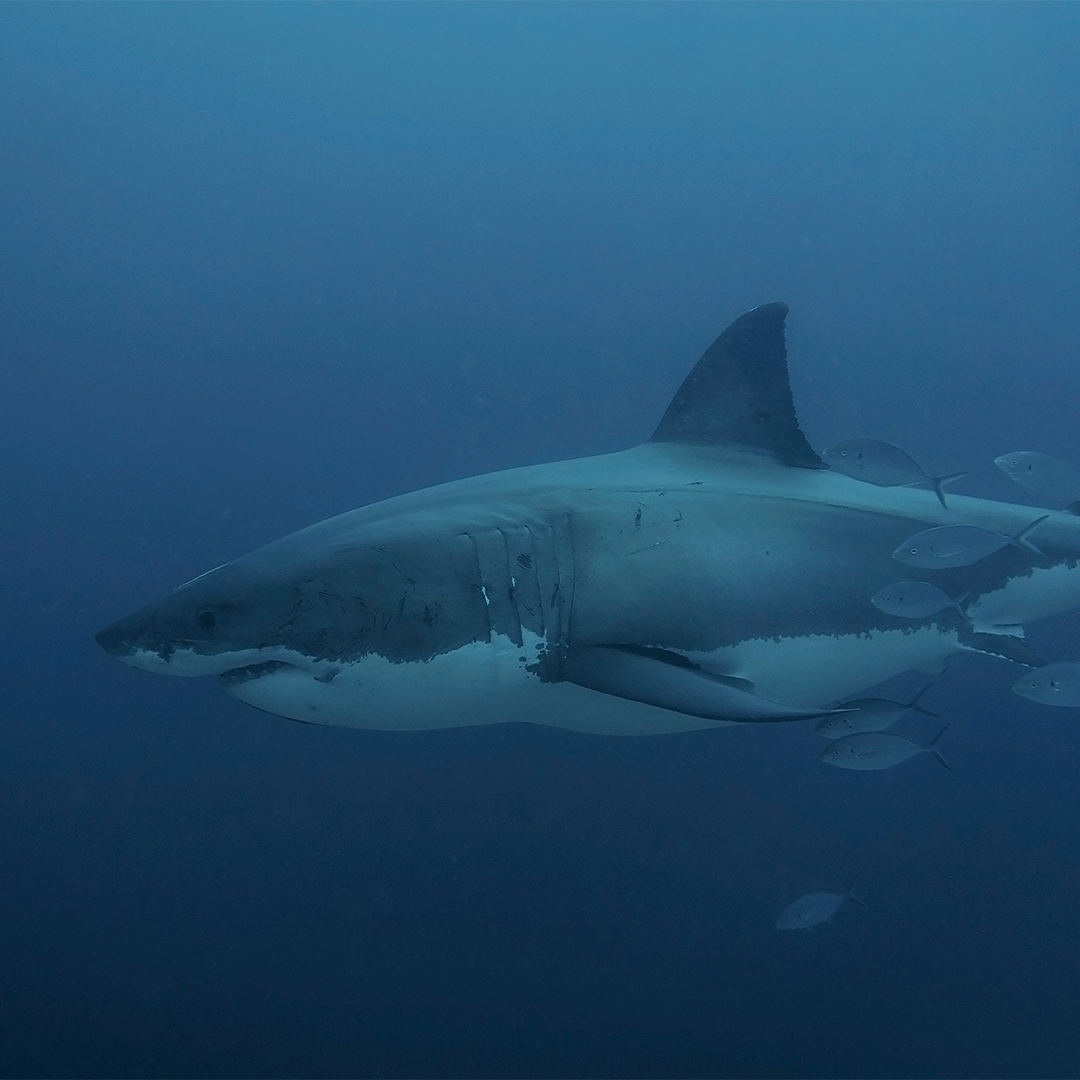
No—sharks are made entirely of cartilage, which is lighter and more flexible than bone, making them fast and buoyant.
11. What Does Shark Skin Feel Like?
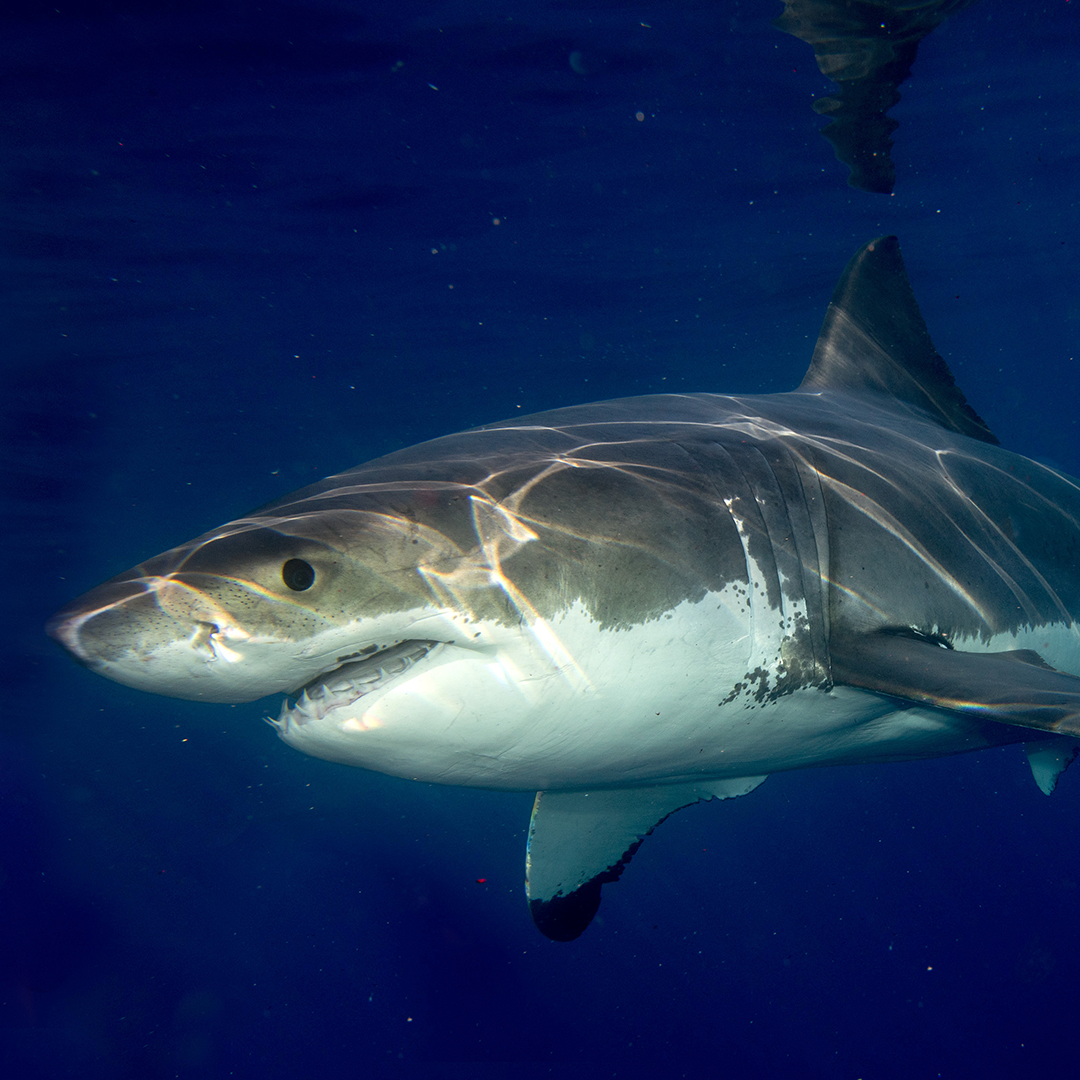
Shark skin feels like sandpaper. It’s covered in dermal denticles (tiny tooth-like structures) that reduce drag and help them glide silently through water.
12. How Long Do Greenland Sharks Live?
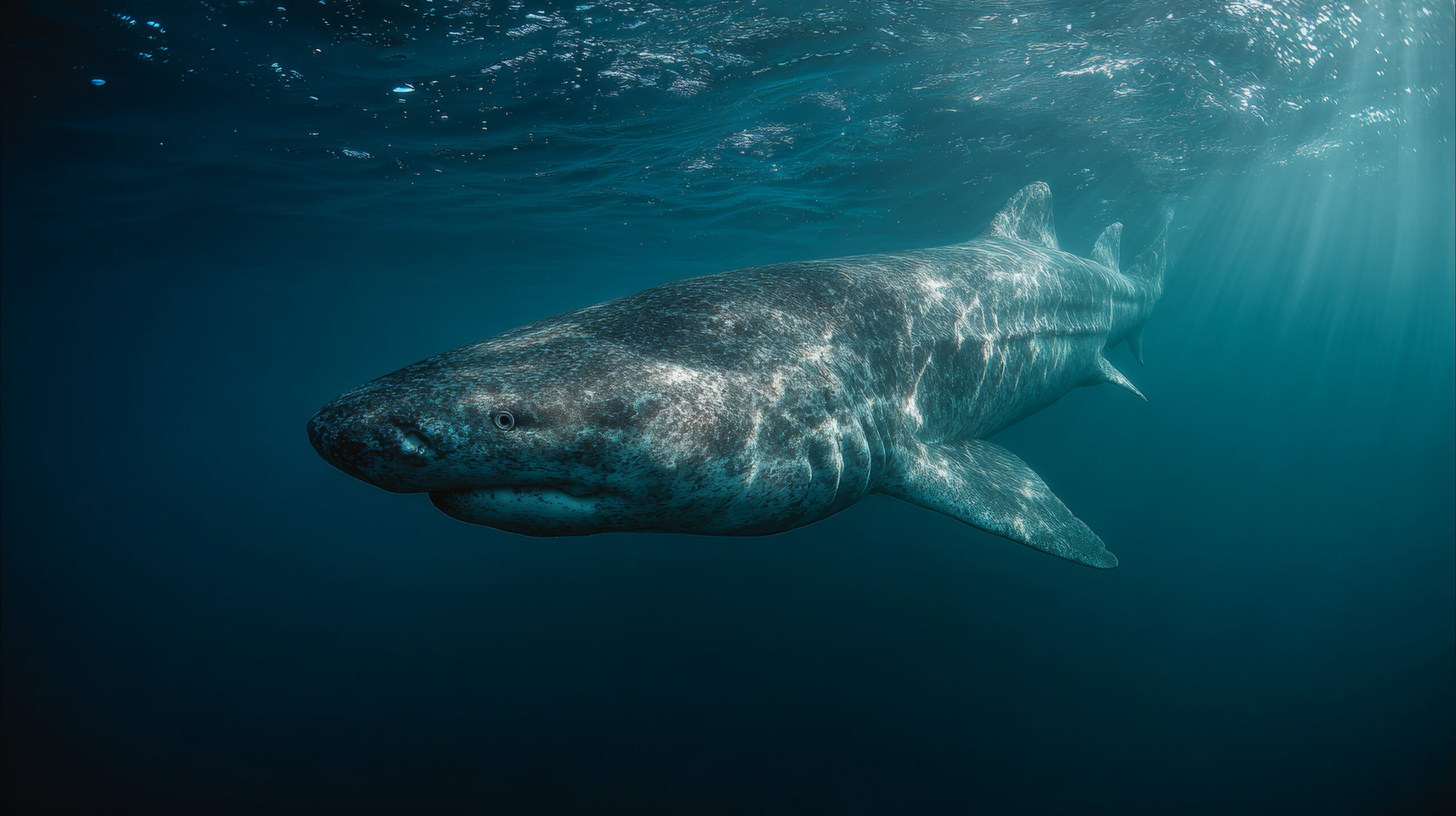
The Greenland shark is the longest-lived vertebrate on Earth, with lifespans estimated between 250–500 years. They don’t even reach maturity until around 150 years old.
13. Do Sharks Lose Their Teeth?
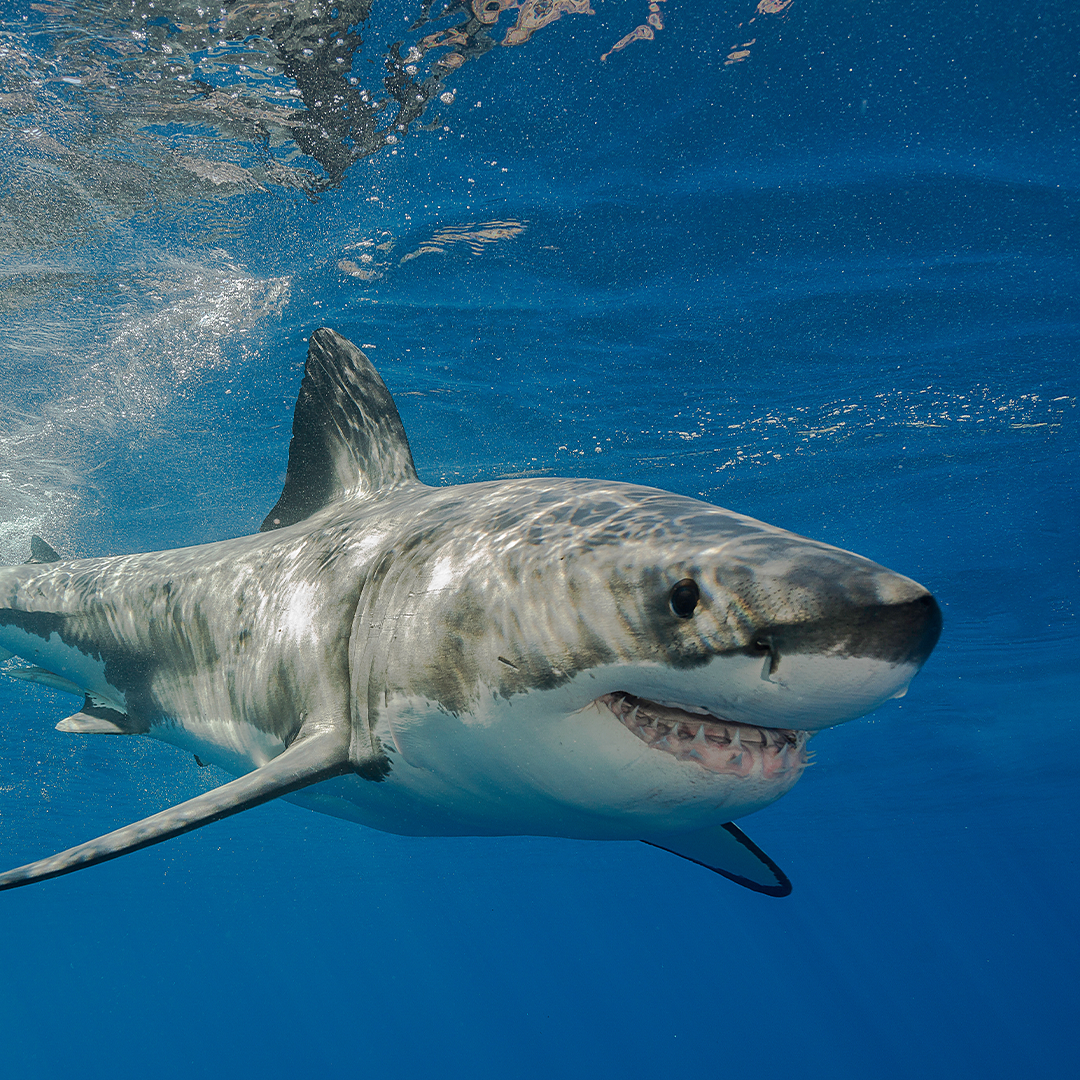
Yes—sharks continually lose and replace teeth, shedding up to 30,000 teeth in their lifetime. New teeth move forward like a conveyor belt, keeping them ready to hunt.
14. Do Sharks Sleep?
Sharks don’t sleep like humans. Some species must keep swimming to breathe, so instead they rest one half of their brain at a time in a state of active rest, keeping them alert to their surroundings.
15. Can Sharks Go Into a Trance?
Some sharks enter tonic immobility—a trance-like state—when flipped upside down. In some species, scientists use this natural behavior during tagging and research to safely study them.
16. Where Do Sharks Live?
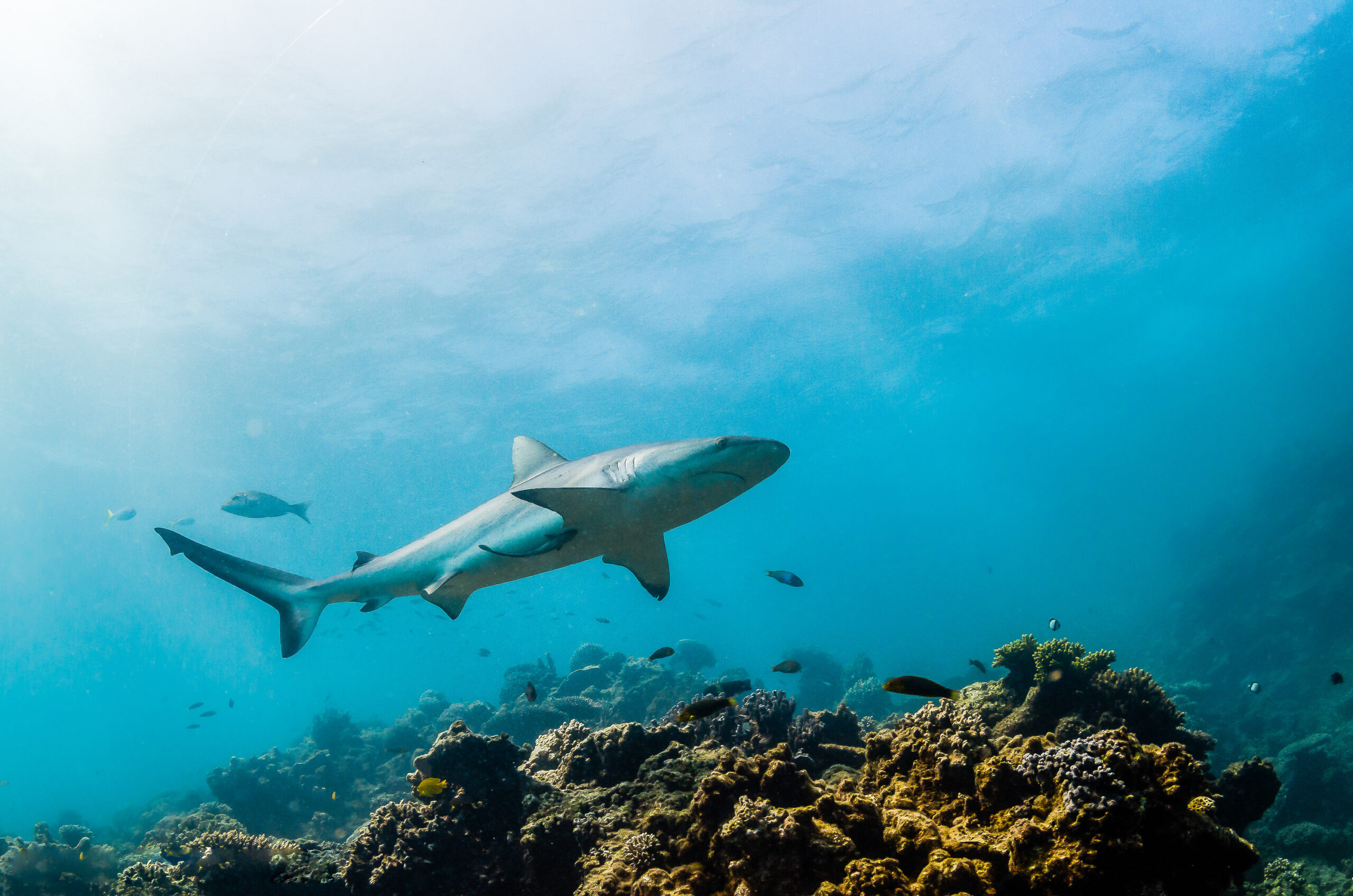
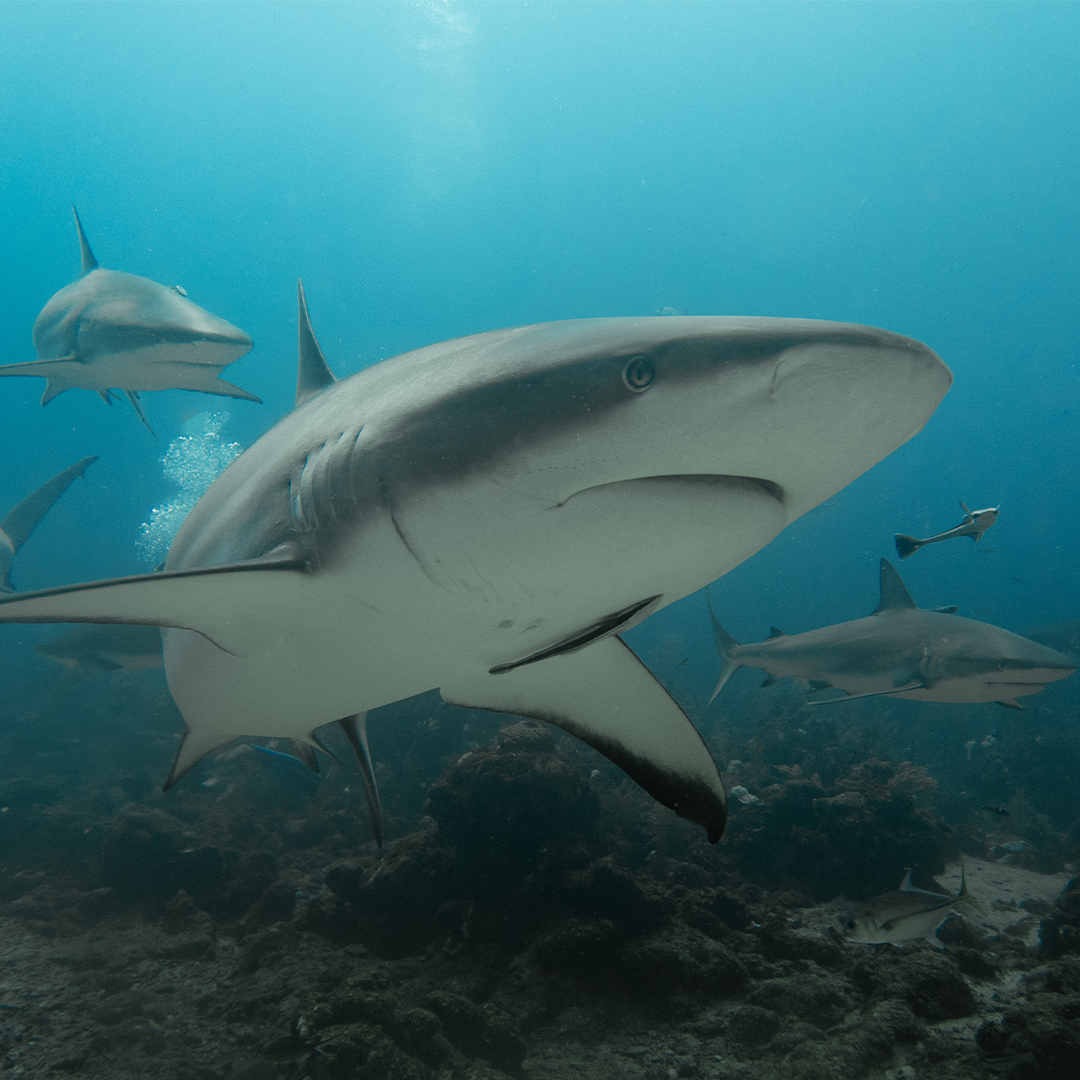
Sharks live in every ocean, from tropical coral reefs to Arctic seas. While most prefer saltwater, a few species—like Bull Sharks—venture into freshwater rivers and lakes.
17. Are Coconuts More Dangerous Than Sharks?
It’s a classic attention-getter. Shockingly, falling coconuts kill more people annually than shark attacks. While humans kill around 100 million sharks each year, shark-related human fatalities number only 4–6 on average.
18. What Is the Economic Impact of Shark Tourism Worldwide?
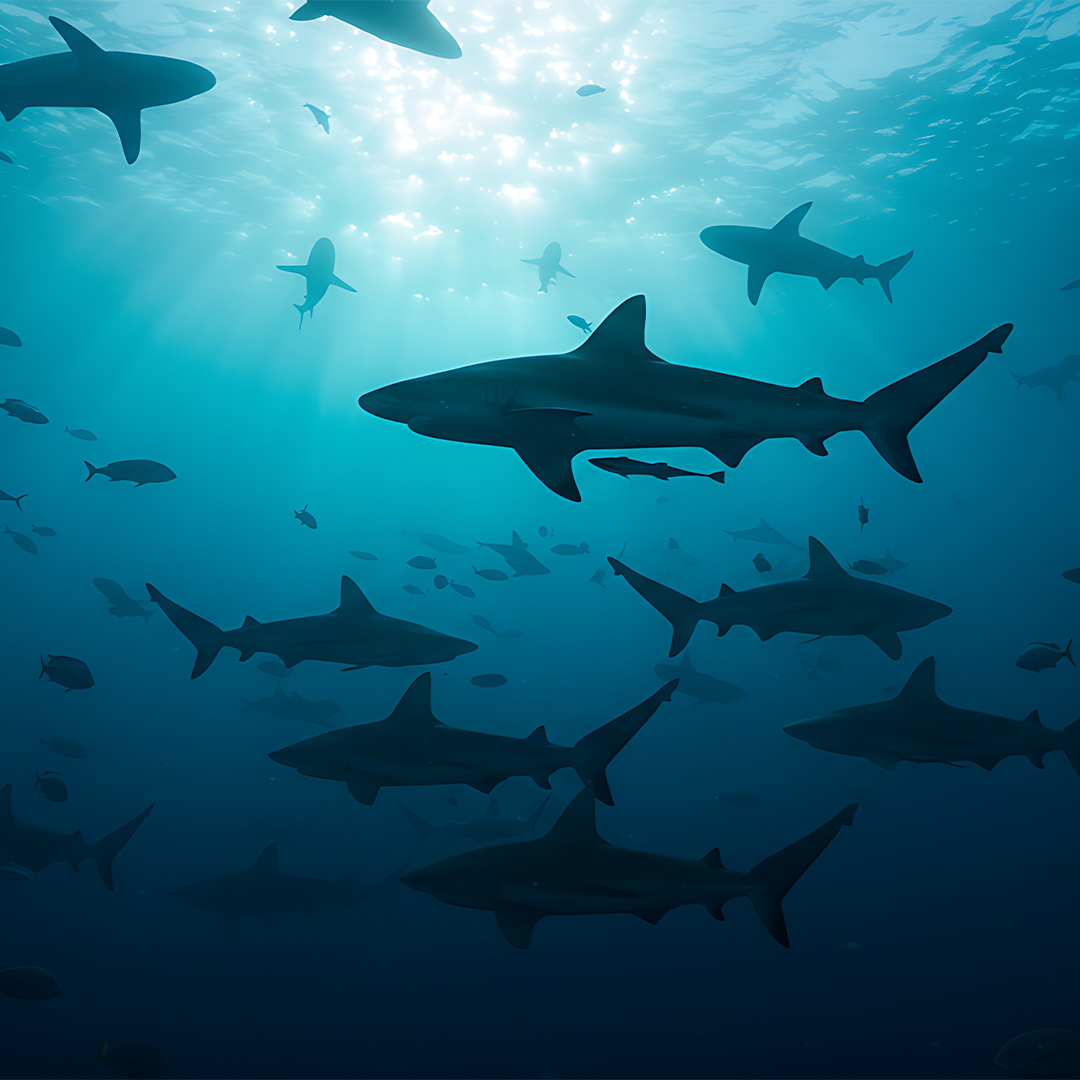
Shark ecotourism—think diving with whale sharks, excursions to see hammerheads, and shark-focused snorkeling adventures—brings in more than $300 million each year and supports around 10,000 direct jobs worldwide, especially in destinations like the Bahamas, South Africa, and the Galápagos Islands. This significant economic impact highlights people’s fascination with sharks and underscores their role in sustainable coastal economies.
19. Can Sharks “Walk” on Land?
The epaulette shark, also known as the “walking shark,” can use its pectoral fins to shuffle across land! In tidal reef environments, it moves between tide pools in search of prey and can survive up to an hour out of water. This remarkable adaptation lets it access food sources others can’t.
Stay Curious. Keep Exploring.
Sharks are the balance keepers of our oceans, helping to maintain healthy ecosystems that sustain life on Earth. At OCEARCH, we are working to return our world’s oceans to balance and abundance through the study and protection of these apex predators. With the free OCEARCH Global Shark Tracker™, you can follow sharks, sea turtles, and even whales in real time—connecting you directly to the mission and the animals that make our oceans thrive.