
Signs of Recovery. Reasons for Hope.
The ocean is showing encouraging signs of recovery across multiple species and ecosystems. From white sharks rebounding in the western North Atlantic to new marine species discoveries and expanding ocean protection, recent science and conservation actions are delivering measurable wins. Here’s a selection of some of the many hopeful developments for ocean life.
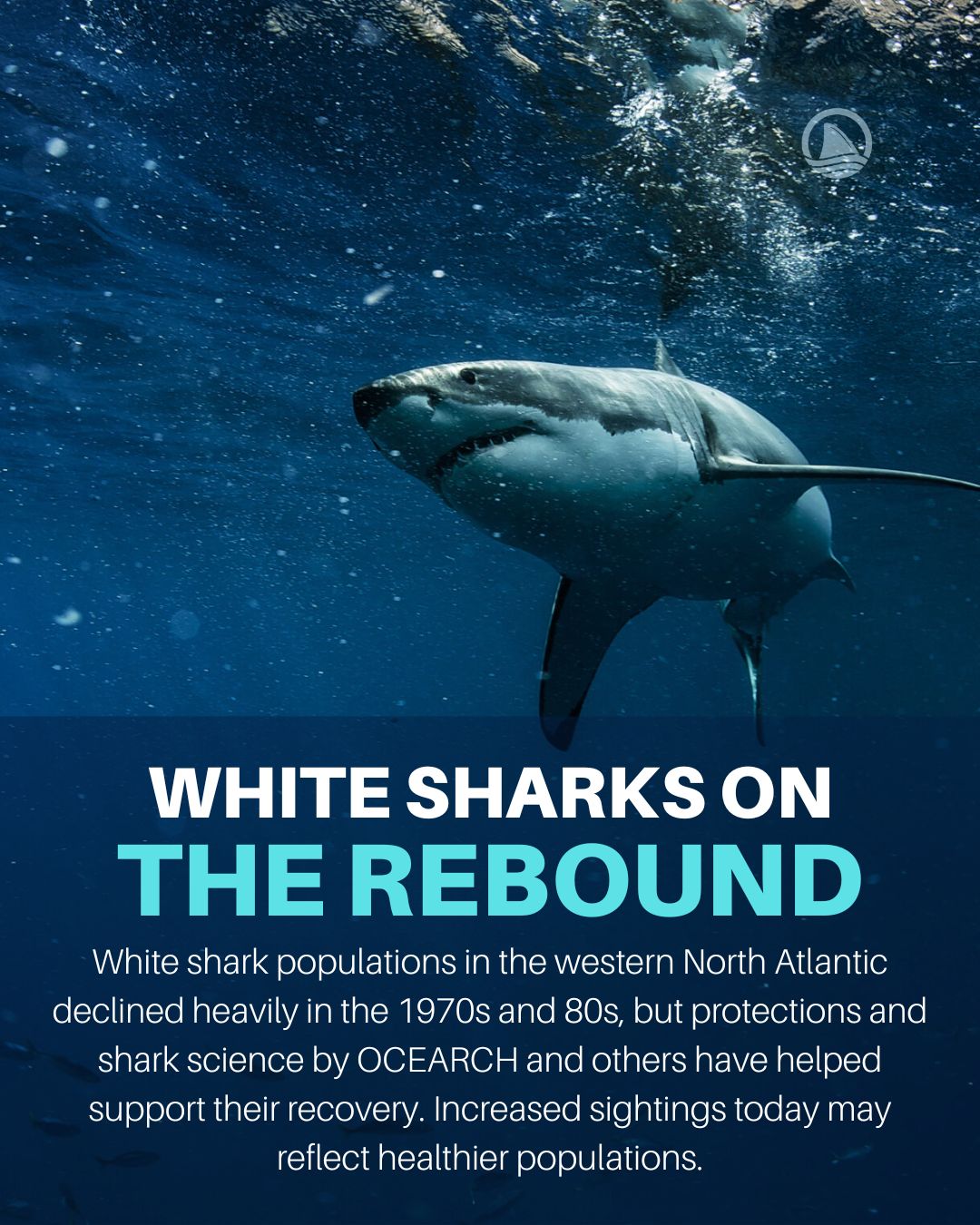
White Sharks: Recovery Trends In The Western North Atlantic
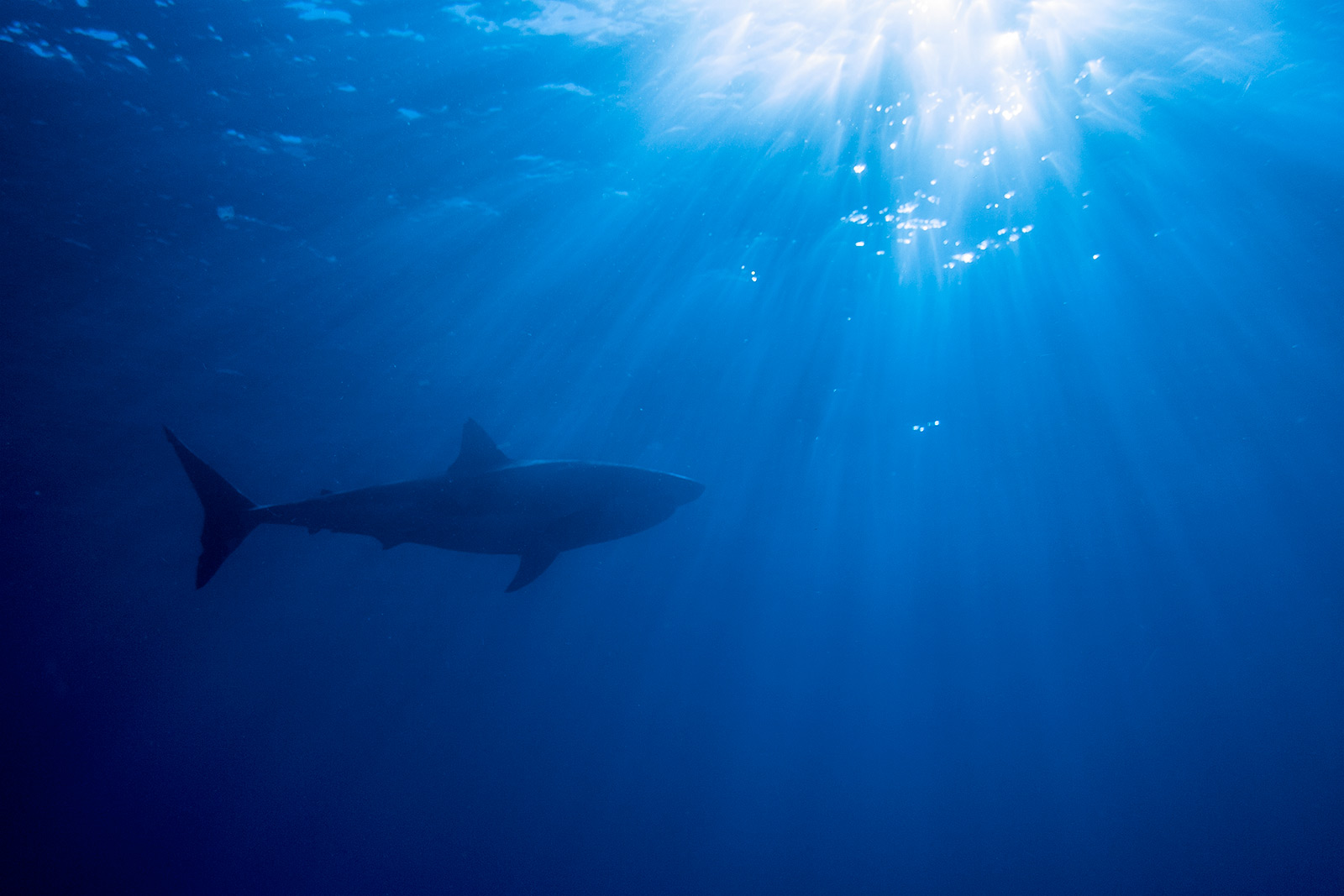
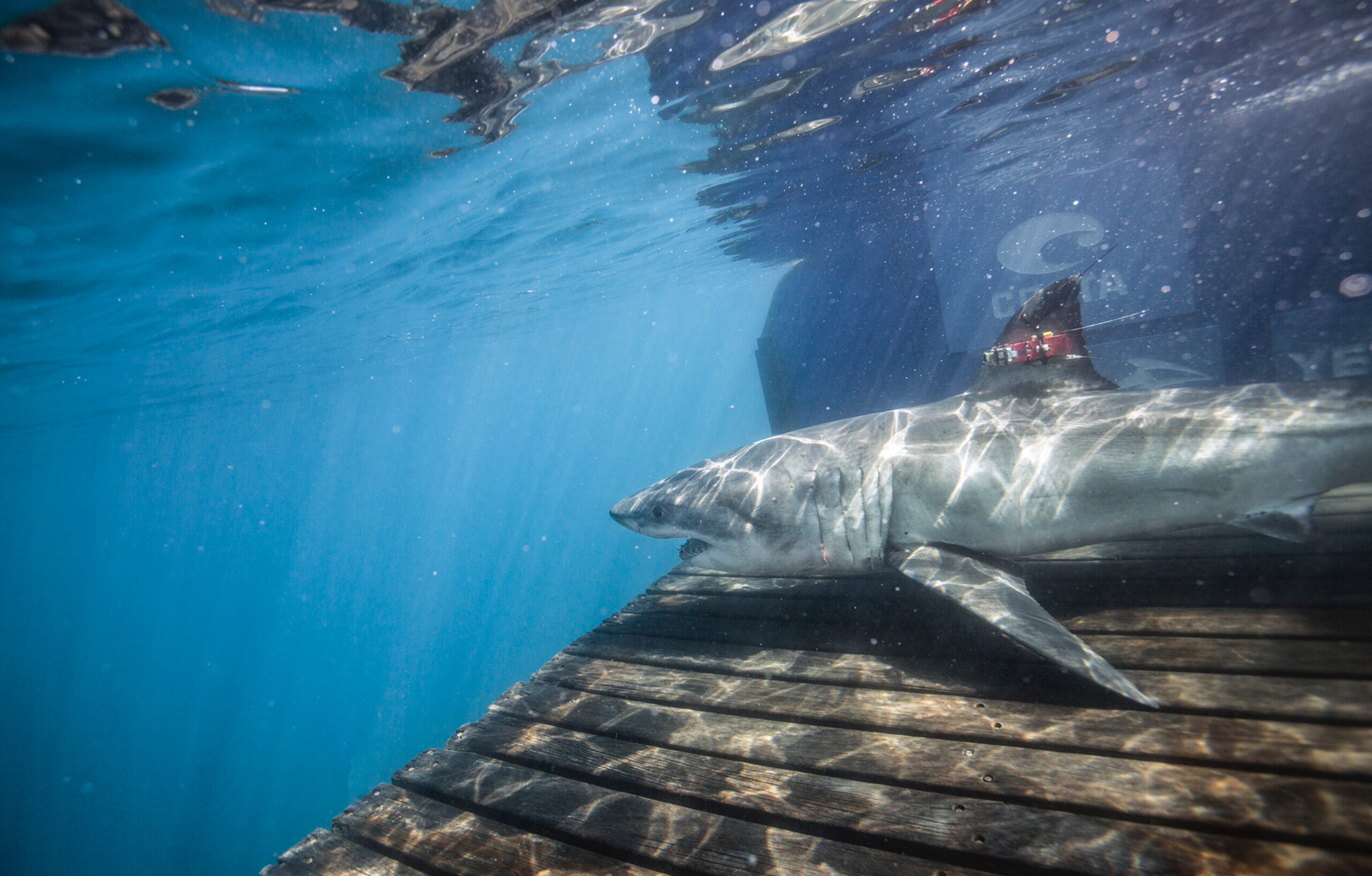
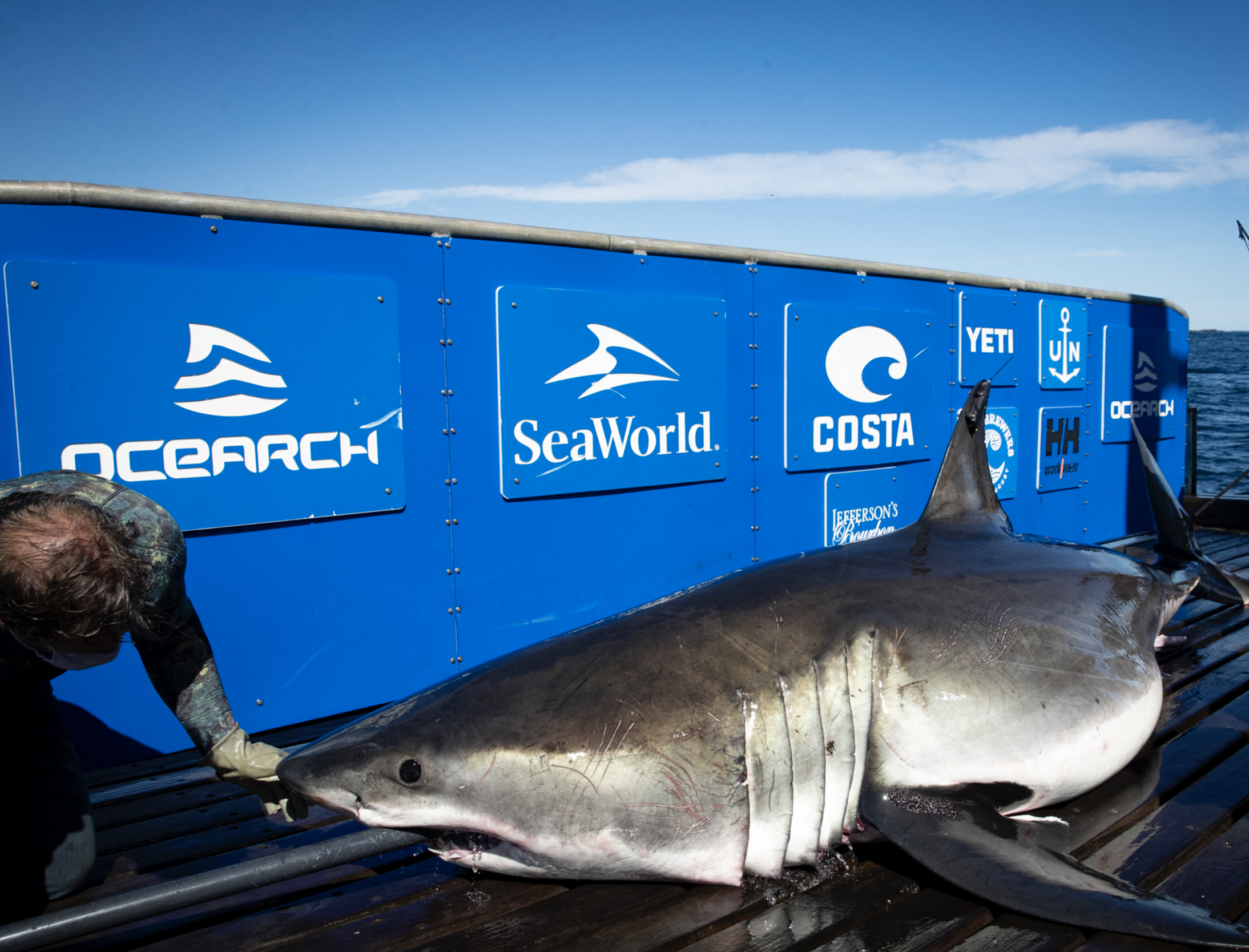
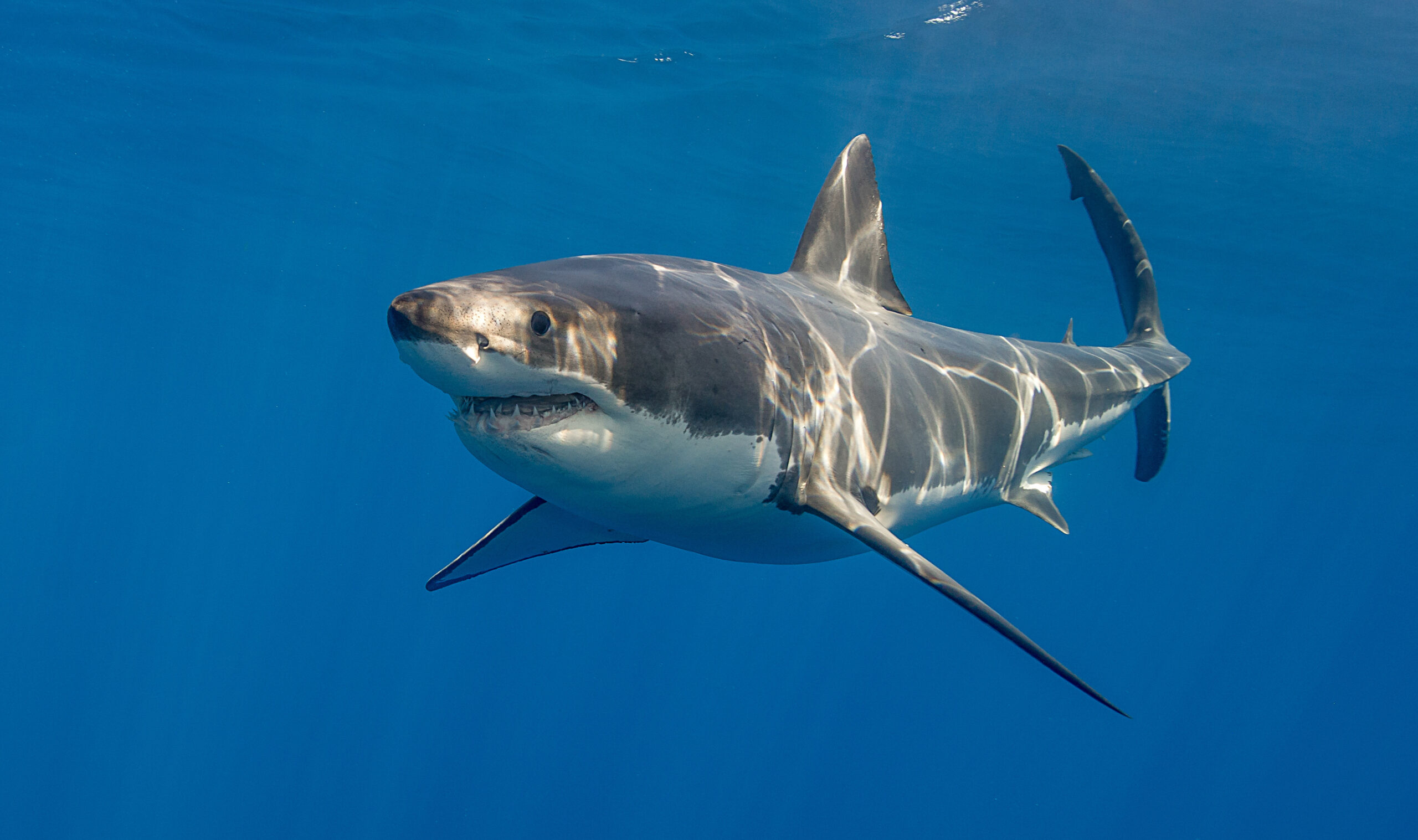
Peer-reviewed research shows western North Atlantic (WNA) white sharks declined in the 1970s–80s but began stabilizing and gradually recovering in the late 1990s after protections were implemented (Curtis et al., 2014). Research conducted by OCEARCH and others—including 48 OCEARCH expeditions and sampling of over 100 WNA white sharks—have supported that recovery; increased sightings today likely reflect populations returning toward historically healthy levels. Studies by OCEARCH have confirmed the Mid‑Atlantic Bight as the primary WNA nursery for the white shark, documented timing and movement patterns from young‑of‑the-year to adult (including coastal range from Atlantic Canada to the Gulf of Mexico and no movements between the Western and Eastern North Atlantic), and demonstrated philopatry to specific summer feeding areas (such as Cape Cod and Atlantic Canada). Although white sharks frequent popular swimming beaches from Nova Scotia to Florida, incidents between white sharks and humans in the WNA remain very rare. Continued monitoring and conservation are essential to sustain this positive trajectory.
Over 10% Of The Ocean Is Now Protected
Nations have crossed a major conservation milestone: more than 10% of the world’s oceans are officially protected, with about 1.93 million square miles added in the last two years (UNEP / Oceanographic). This expansion increases refuges for marine life and strengthens global resilience to threats like overfishing and climate change.
Healthy Fisheries, Thriving Communities
According to NOAA, 52 fish stocks have been rebuilt in the US Atlantic, Gulf and Pacific as of 2026. The return of healthy fish populations is helping fuel a thriving recreational fishing economy. In 2023, saltwater anglers took more than 204 million fishing trips across the United States, supporting nearly 700,000 jobs and generating $145 billion in economic impact—proof that conservation and ocean access can create lasting benefits for both people and marine life.
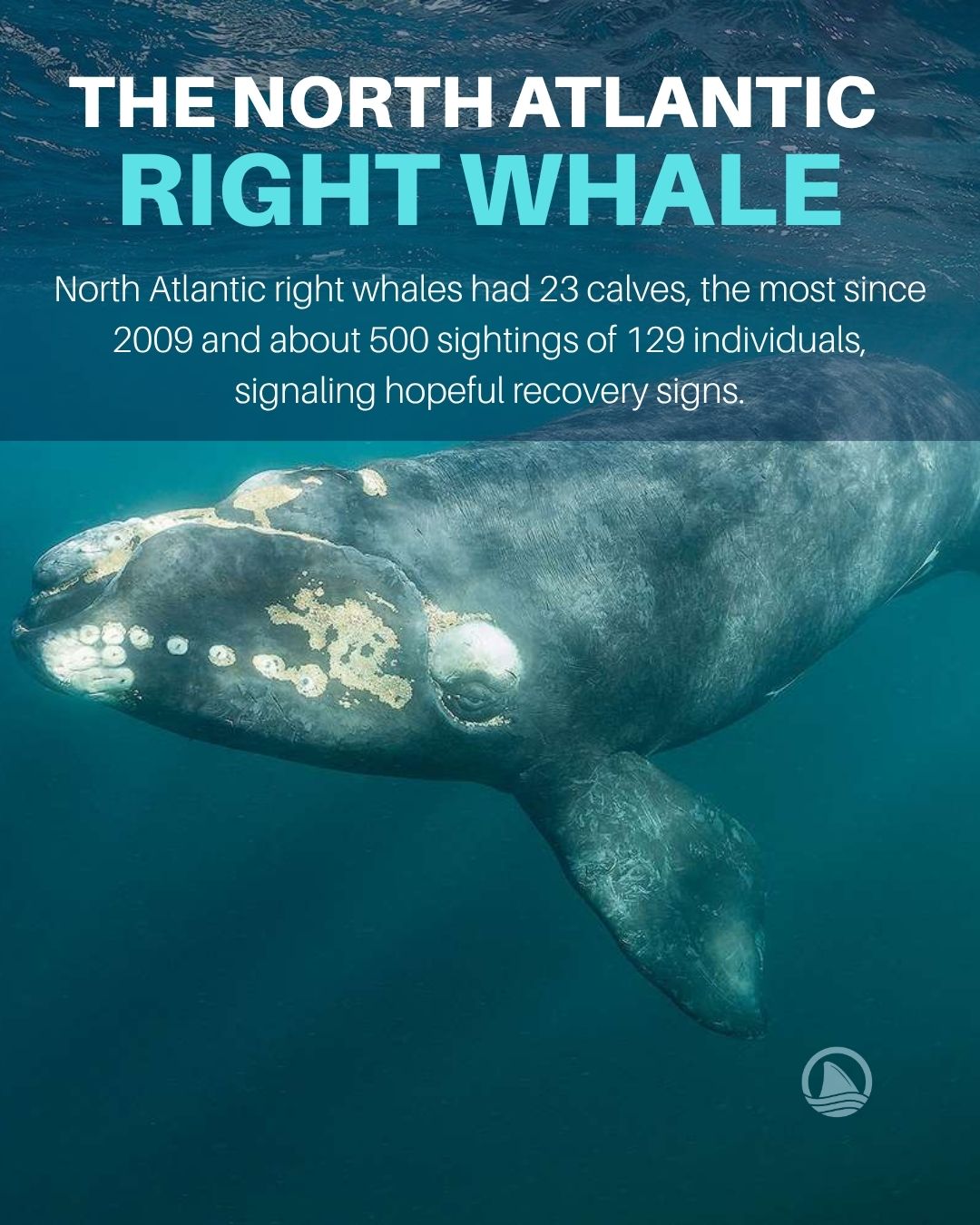
North Atlantic Right Whales: Best Calving Season In Years
NOAA reports 23 right whale calves born this season—the highest since 2009—and around 500 sightings of 129 individual right whales in southeastern U.S. calving grounds. These observations suggest improving reproductive health and hopeful recovery trends for this critically endangered species.
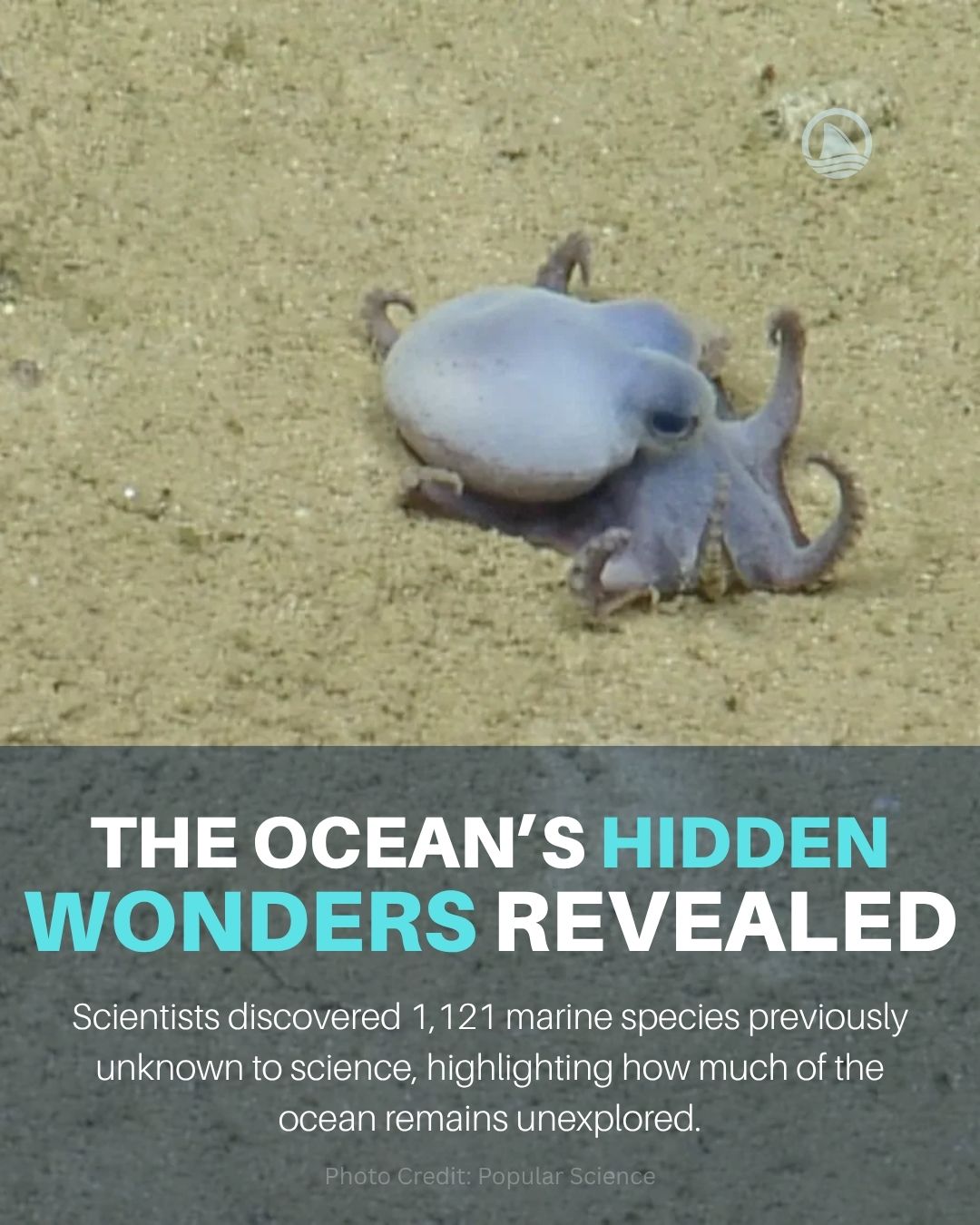
1,100+ New Marine Species Discovered
Explorations by the Nippon Foundation–Nekton Ocean Census and partners documented 1,121 species previously unknown to science in remote deep-sea ecosystems. These findings underscore how much of the ocean remains unexplored and why continued research is vital for conservation planning.
Sea Turtles Rebounding Globally
A major international review finds many sea turtle populations recovering thanks to decades of conservation—nest protections, fishing regulations, and habitat preservation. Green turtles in particular show strong rebounds in several regions (NOAA).
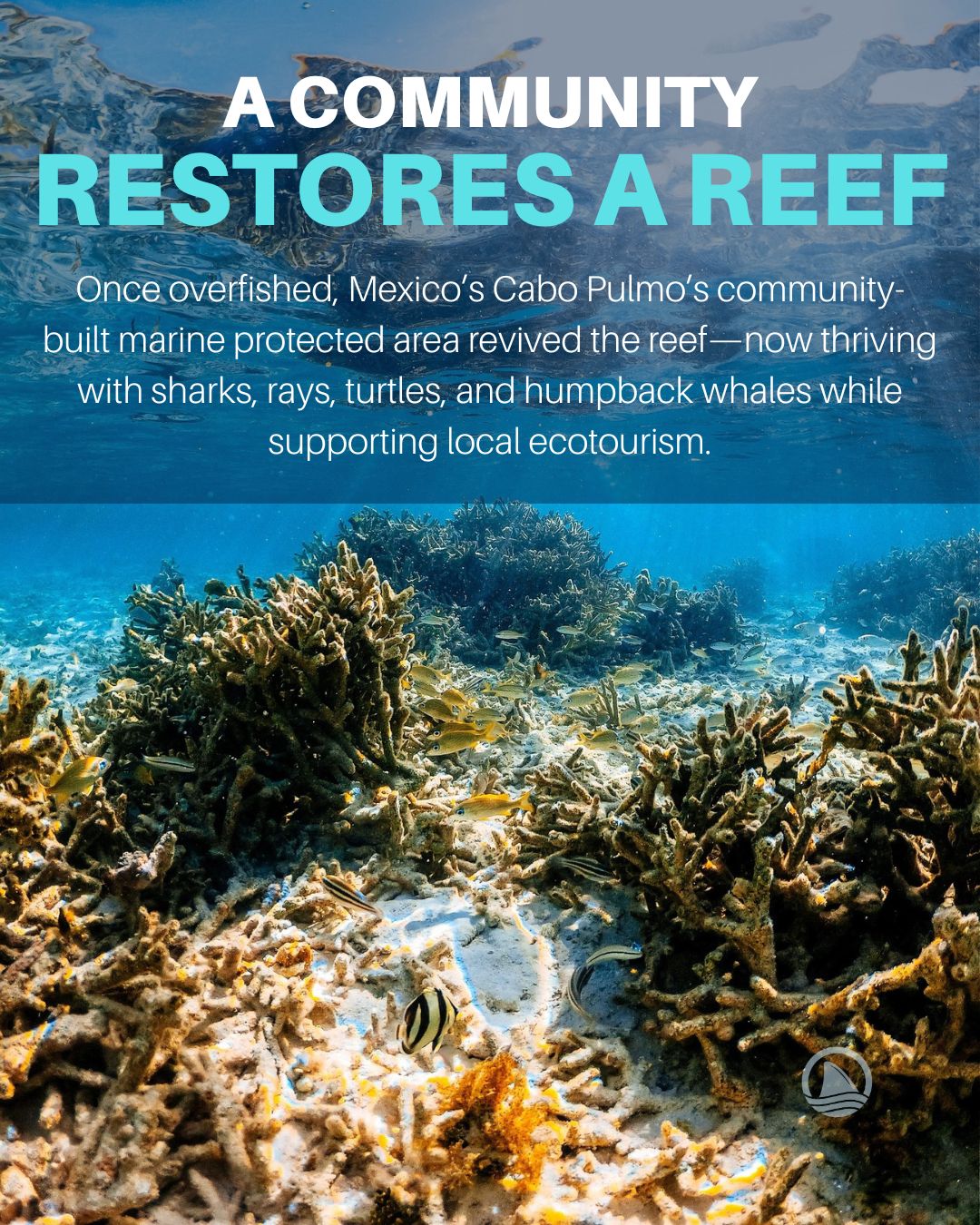
Cabo Pulmo: A Community-Led Reef Recovery Success
Cabo Pulmo, Mexico, continues to be a model of local stewardship: once overfished, the reef now supports abundant sharks, rays, turtles, and whales after residents established a protected area and shifted to ecotourism—demonstrating that community-driven restoration works.
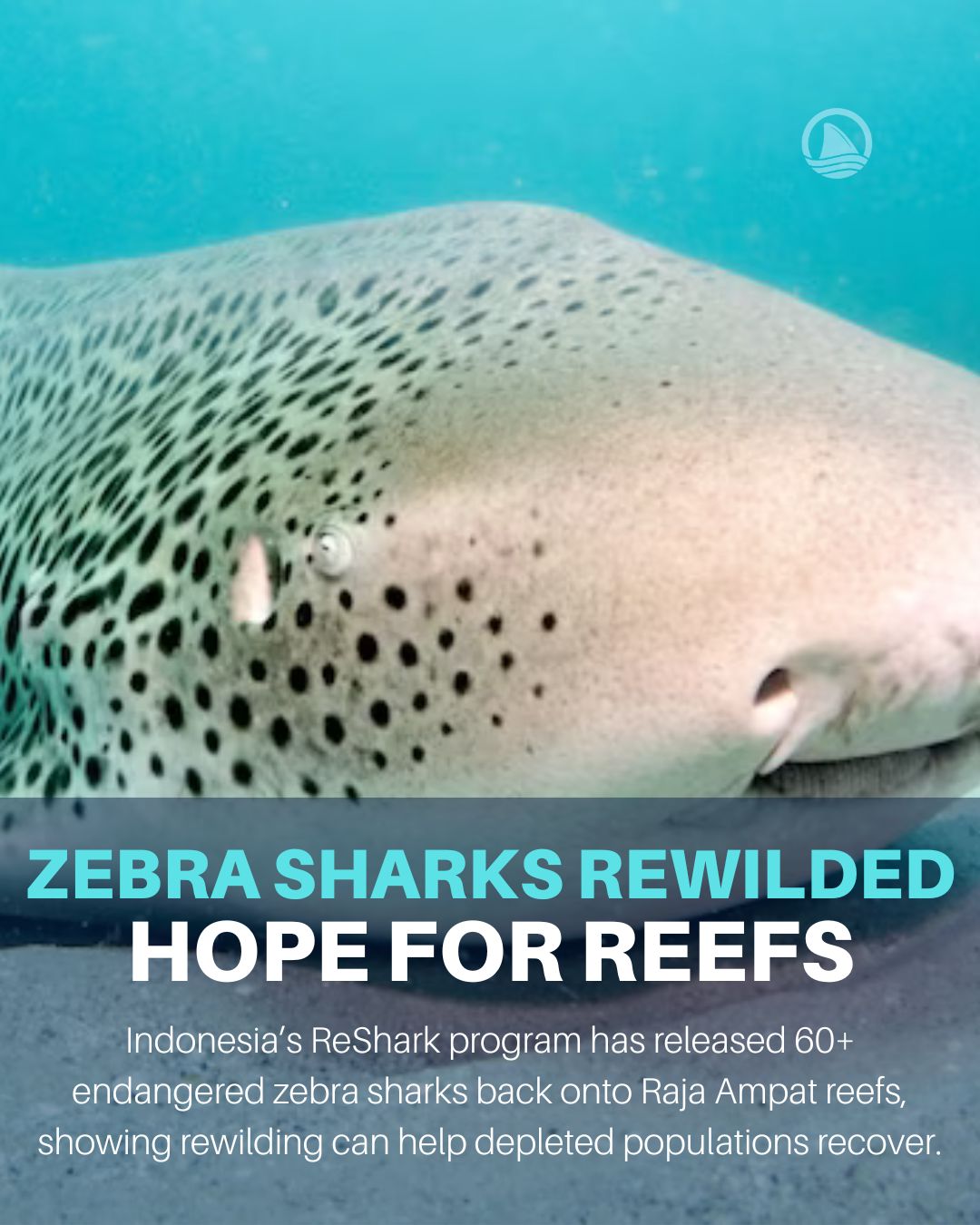
Rewilding Zebra (Indo-Pacific Leopard) Sharks In Indonesia
The ReShark program successfully released over 60 endangered zebra sharks into reefs around Raja Ampat by early 2026, offering one of the first major examples of shark “rewilding” and showing that depleted populations can recover through coordinated conservation and community collaboration.
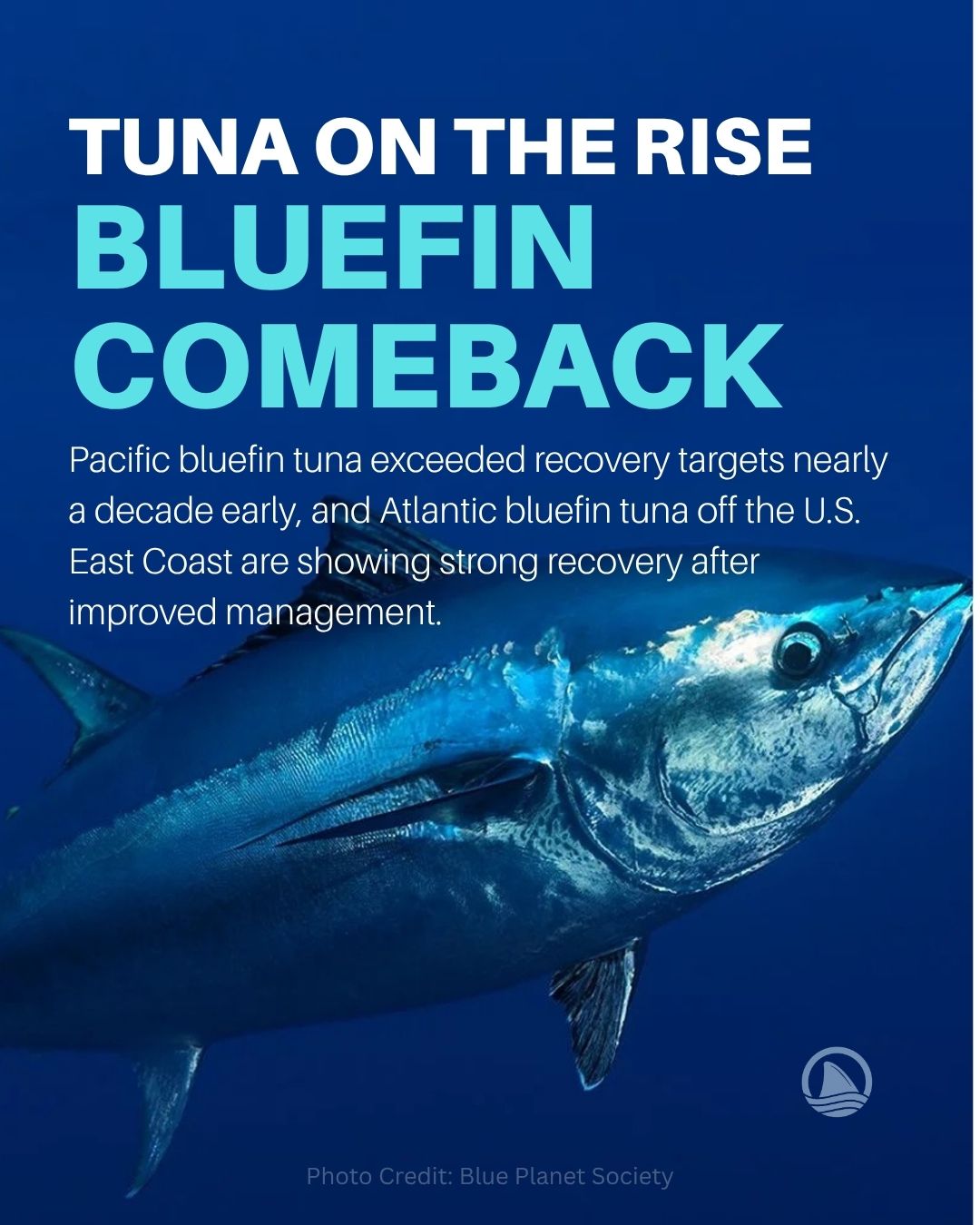
Bluefin Tuna Rebound
Pacific bluefin tuna exceeded international recovery targets nearly a decade early, and Atlantic bluefin tuna along the U.S. the east coast is also showing strong recovery following improved fisheries management and enforcement (NOAA; Block et al., 2026).
Smalltooth Sawfish Making A Comeback
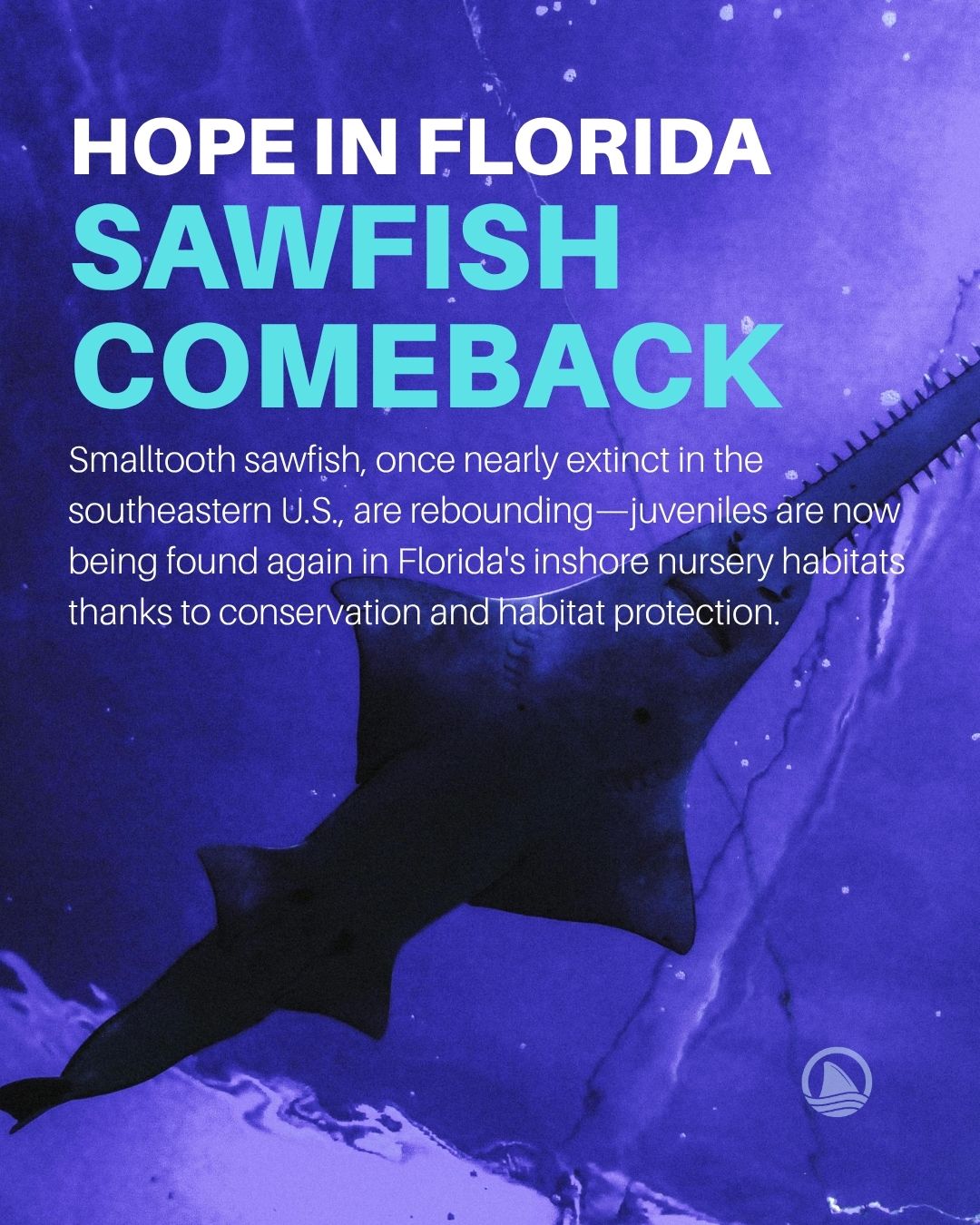
New research finds juvenile smalltooth sawfish returning to inshore nursery habitats along Florida’s east coast, indicating early signs of recovery after severe declines. Targeted protection and water-quality management in key areas remain critical for future gains for this critically endangered species. SeaWorld Orlando recently celebrated a historic conservation milestone with the birth of three critically endangered smalltooth sawfish pups—the first successful birth of the species in the United States and only the second worldwide. The achievement offers researchers new opportunities to better understand and protect one of the ocean’s most endangered fish species.
DNA Testing Helps Stop Illegal Wildlife Trade
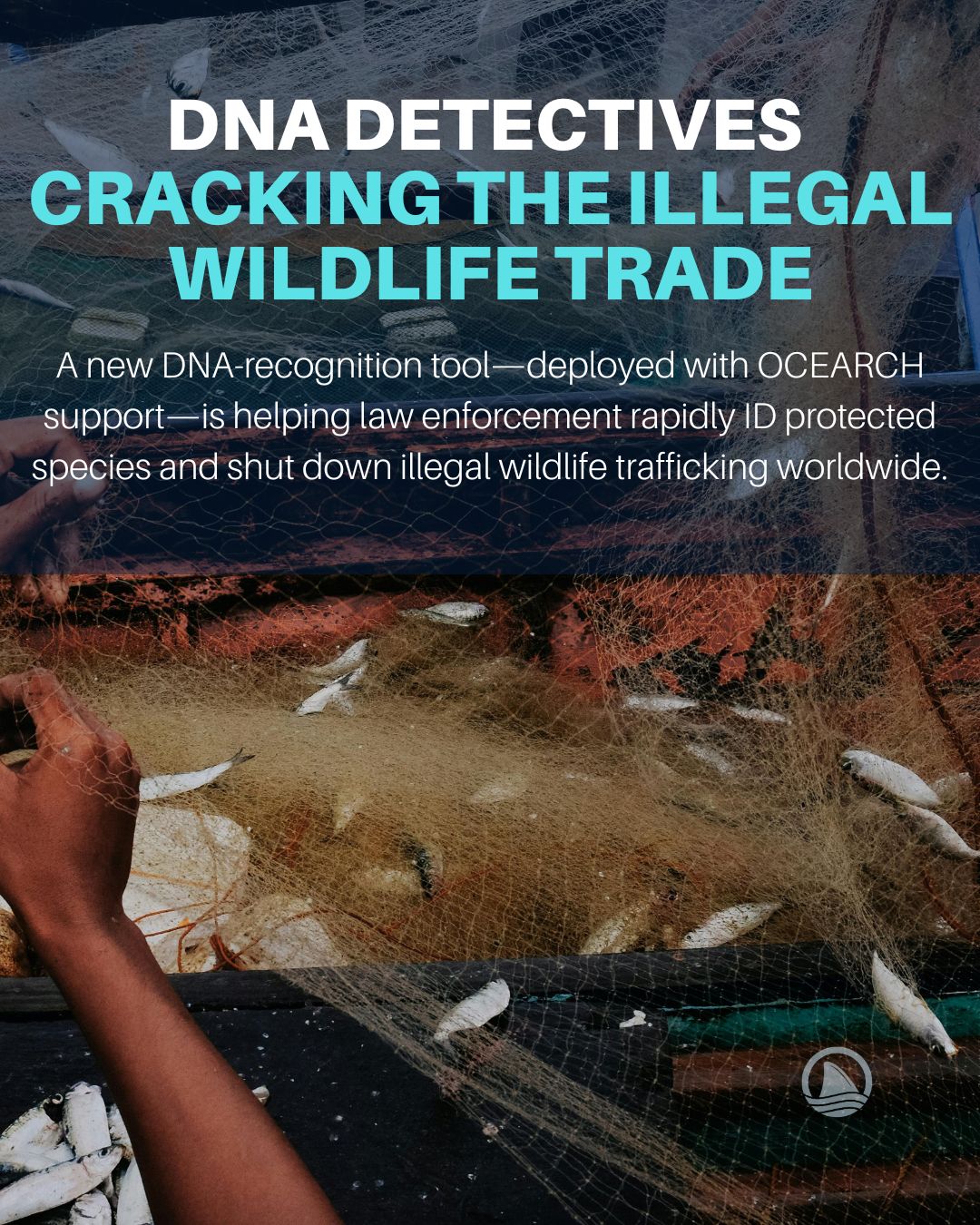
Rapid, inexpensive DNA-recognition tools are now enabling on-the-spot identification of protected species—powerful for catching illegal traffickers. Developed initially to track shark and ray products, this technology is being deployed globally (FIU). OCEARCH has contributed funding to support deployment of this tool in countries combating illegal shark product trade.
What This Means & What’s Next
These stories show that targeted conservation, strong management, scientific innovation, and community leadership can produce measurable recoveries across taxa and places. Continued investment in research, protected areas, enforcement, and community-based solutions will be essential to keep these trends moving in the right direction.
There Is Hope
OCEARCH is advancing science and delivering the data needed to guide conservation, shape policy, and protect critical habitats. Progress is possible, but the work continues. Together, we can return our world’s oceans to balance and abundance.
JOIN US
You can support our sharks and oceans by entering the OCEARCH Meet a Shark Sweepstakes:
Sources: www.ocearch.org, New Study Reveals The Gulf is a Winter Home For White Sharks, Curtis et al., 2014 | Seasonal Distribution and Historic Trends in Abundance of White Sharks in the Western North Atlantic Ocean, NOAA Fisheries, Fisheries Economics of the United States 2023; NOAA Recreational Fishing Program, NOAA Fisheries,Fishery Stock Status Updates, Oceanographic, NOAA, Oceanographic, NOAA, World Economic Forum, Mongabay, Seaworld Orlando, https://www.fisheries.noaa.gov/feature-story/overfished-sustainable-harvests-pacific-bluefin-tuna-rebound-new-highs, https://billfish.org/advocacy/pacific-bluefin-tuna-recovery/, FAU & FWC, FIU, How a DNA test is helping sharks on the verge of extinction