

OCEARCH OCEAN FACTS: Your Top Ocean Questions, Answered
Curious about the oceans, their ecosystems, and the vital role they play in sustaining life on Earth? Explore OCEARCH Ocean Facts to learn how the seas regulate climate, provide food and oxygen, and support incredible biodiversity—from coral reefs to the open ocean. Backed by research from our global expeditions, this resource connects you to the science that explains why healthy oceans are essential for people and the planet.
Below, we answer the most frequently asked questions about the ocean—covering ecosystems, climate impact, conservation challenges, and solutions. Whether you’re a student, educator, researcher, or ocean enthusiast, OCEARCH makes the science of the sea accessible to all.
1. How Much of Earth Is Covered by Oceans?
Oceans cover over 70% of Earth’s surface, making them the planet’s largest ecosystem. They hold about 97% of all water on Earth and are vital to life everywhere.


2. How Deep Is the Ocean?
The average depth of the ocean is about 12,100 feet (3,688 meters). Its deepest point, the Mariana Trench, plunges nearly 36,000 feet—deeper than Mount Everest is tall.
3. How Do Oceans Help Regulate Climate?
Oceans absorb heat and carbon dioxide, transporting warm and cold currents around the globe. This natural system stabilizes Earth’s climate and weather patterns.

4. How Much Oxygen Do Oceans Produce?
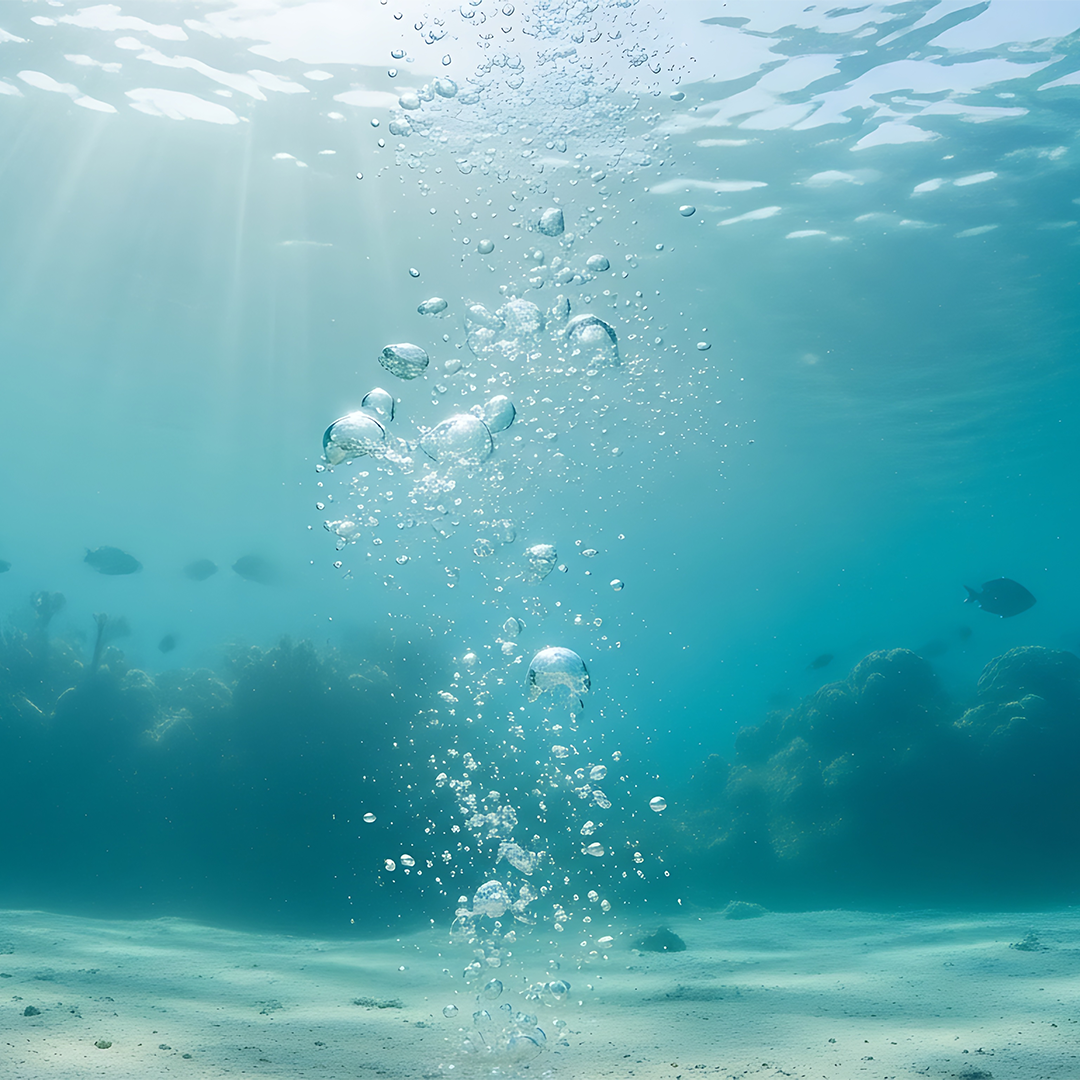
Through photosynthesis by plankton, algae, and seaweed, oceans generate more than 50% of Earth’s oxygen—making every second breath you take possible.
5. Why Are Sharks Important to Ocean Ecosystems?
As apex predators, sharks help keep marine food webs in balance. By regulating prey populations, they support healthy fish stocks, seagrass meadows, and coral reefs, which in turn sustain biodiversity across the oceans.


6. What Is the Largest Animal in the Ocean?
The blue whale holds the title as the largest animal ever to live on Earth. Growing up to 100 feet long, it can weigh more than 200 tons.
7. What Are Ocean Currents and Why Are They Important?
Ocean currents are rivers of seawater that move through the seas, redistributing heat, nutrients, and organisms. They shape climate and sustain marine life.

8. How Do Oceans Impact the Water Cycle?
Oceans are the engine of Earth’s water cycle. They provide most of the planet’s evaporation, fueling rainfall and replenishing freshwater sources.
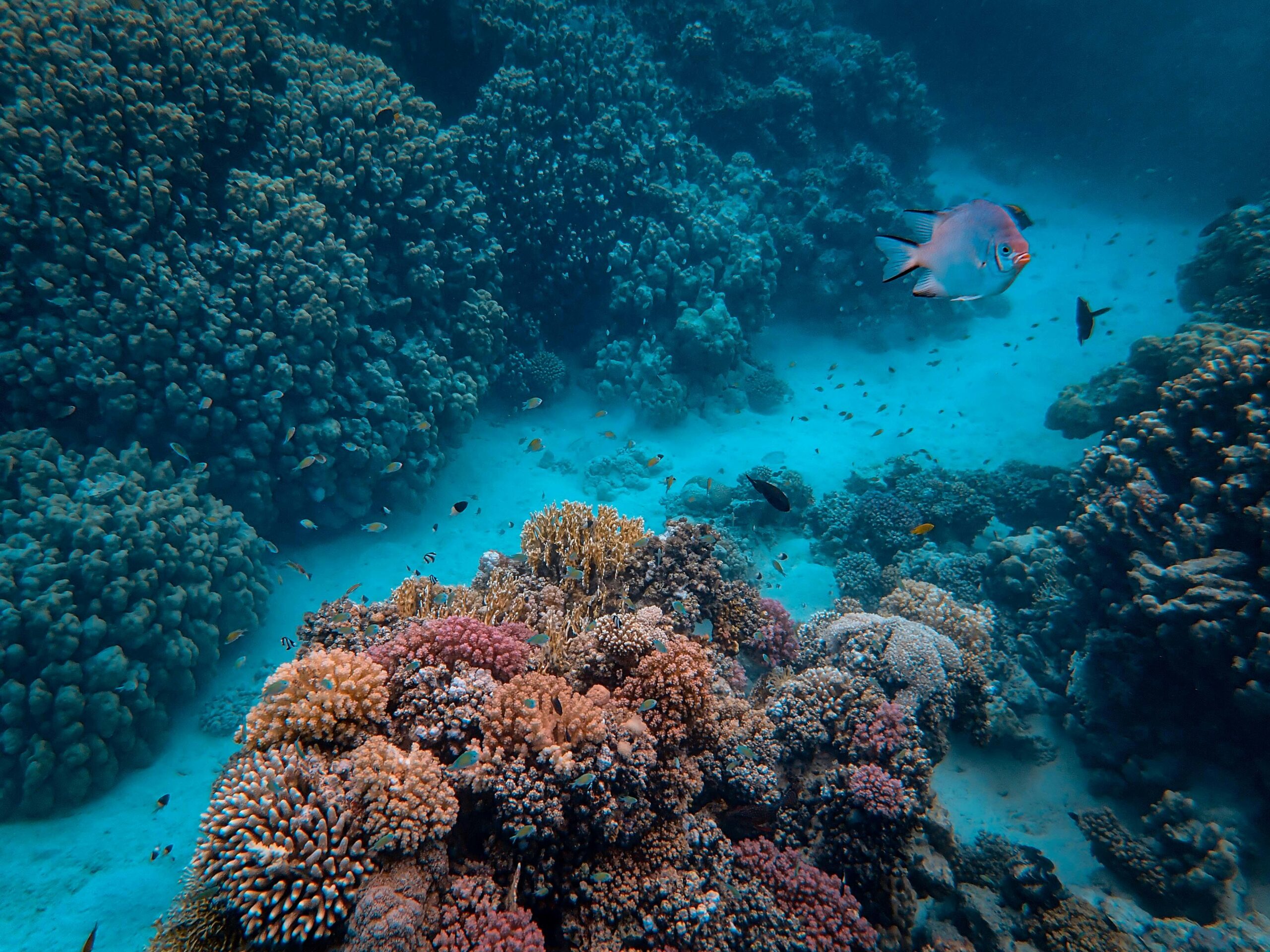
9. What Are Coral Reefs and Why Are They Important?
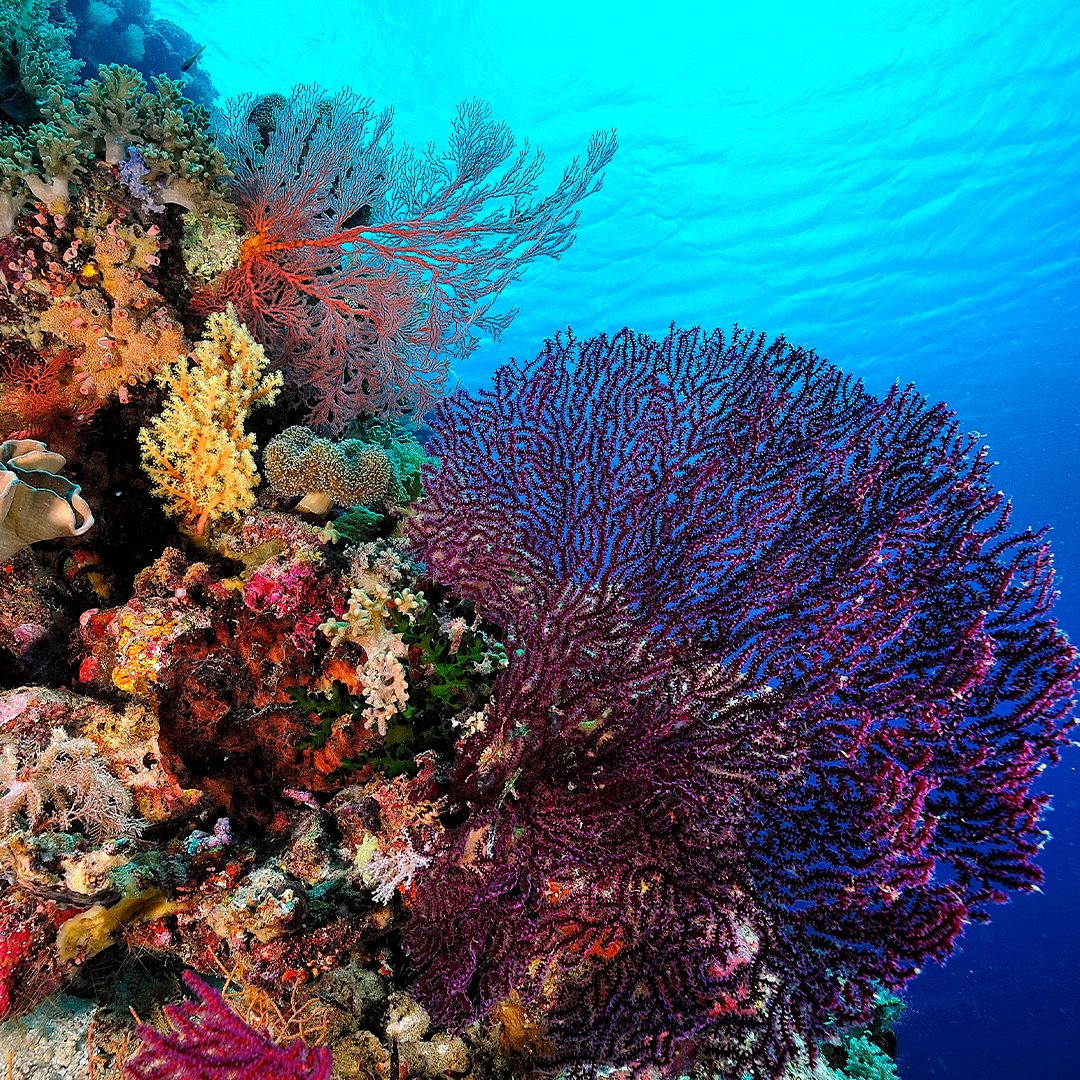
Often called the “rainforests of the sea,” coral reefs cover less than 1% of the ocean but support about 25% of marine species.
10. What Percentage of the Ocean Has Been Explored?
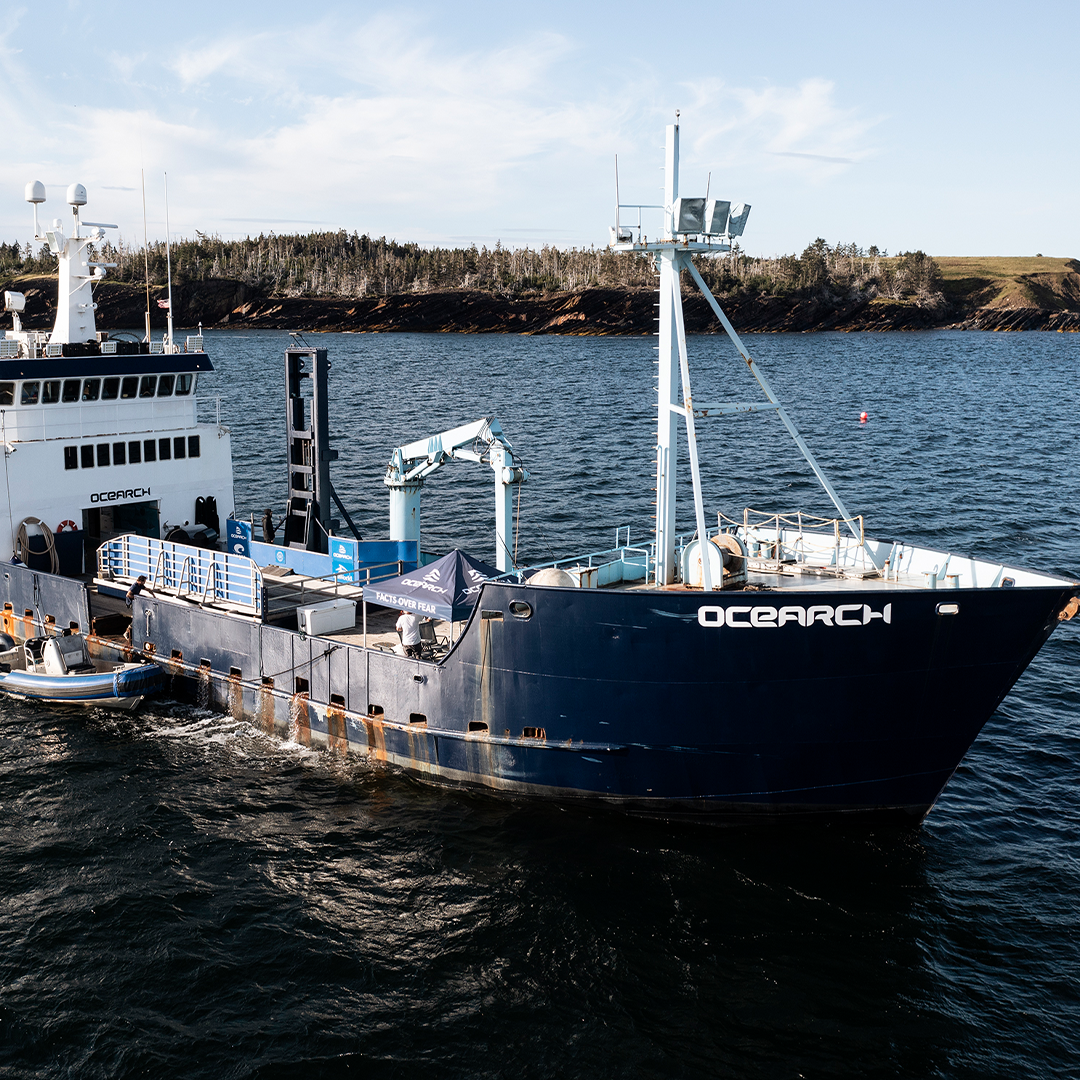
Less than 20% of the ocean has been mapped and explored. The vast majority remains unknown, making it one of Earth’s final frontiers.
11. What Is the Great Pacific Garbage Patch?
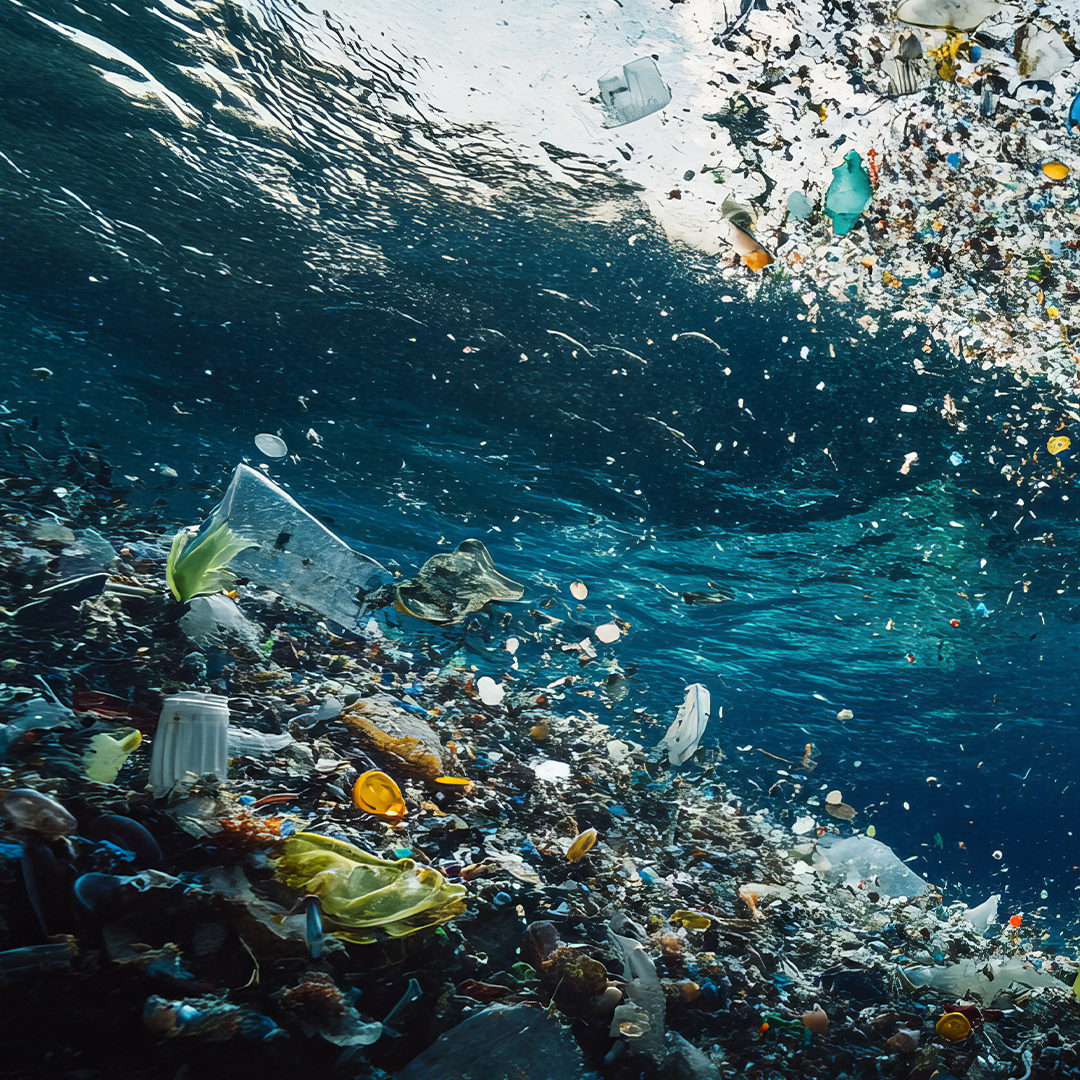
The Great Pacific Garbage Patch is a massive accumulation of plastic and debris between Hawaii and California. It’s estimated to be twice the size of Texas.

12. What Is Ocean Acidification?
As oceans absorb carbon dioxide, seawater becomes more acidic. This process harms corals, shellfish, and disrupts entire food webs.
13. How Do Oceans Support the Global Economy?
The ocean economy—including fishing, tourism, and shipping—generates over $2.5 trillion annually, making it one of the world’s largest economic forces.
14. Why Are Oceans Important for Food Security?
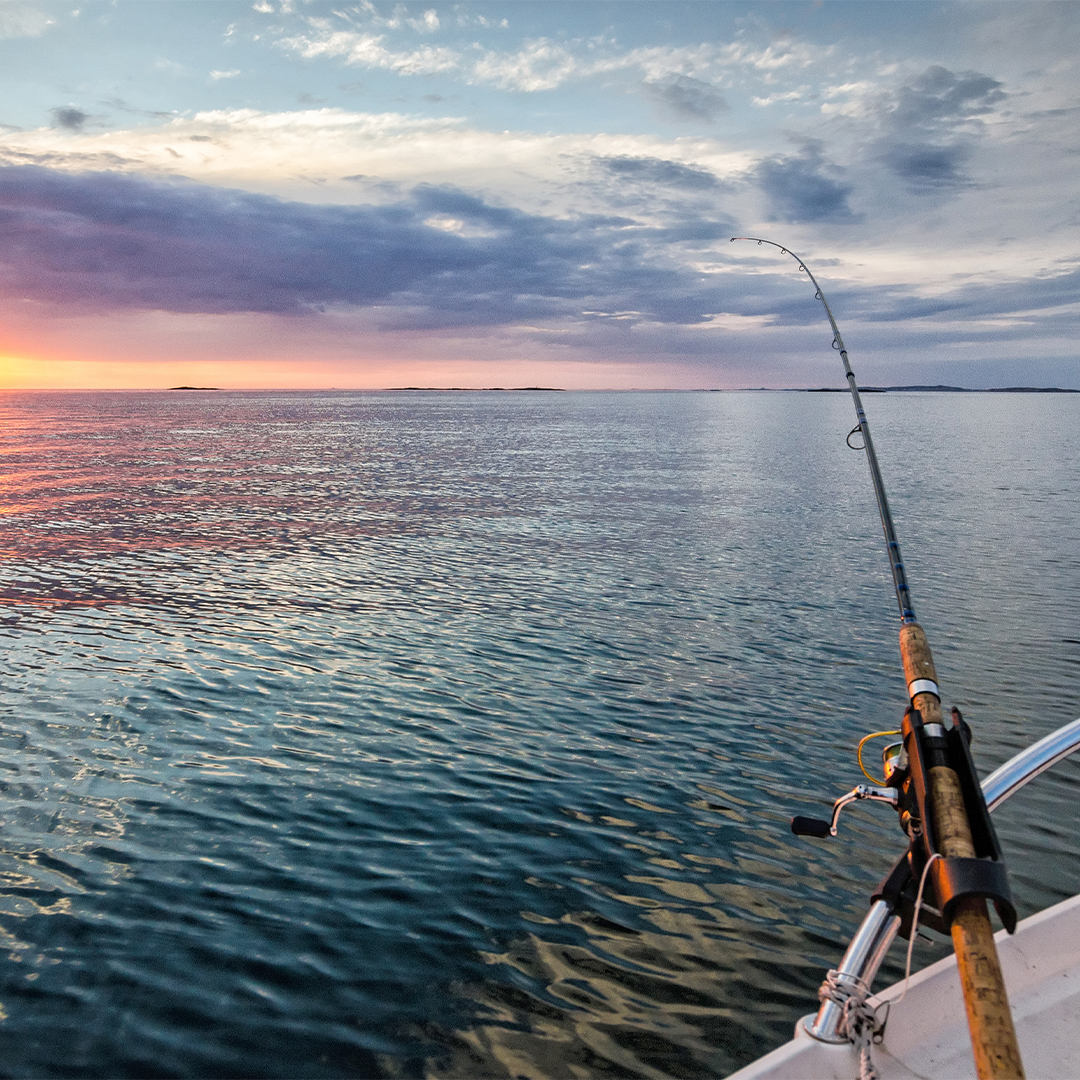
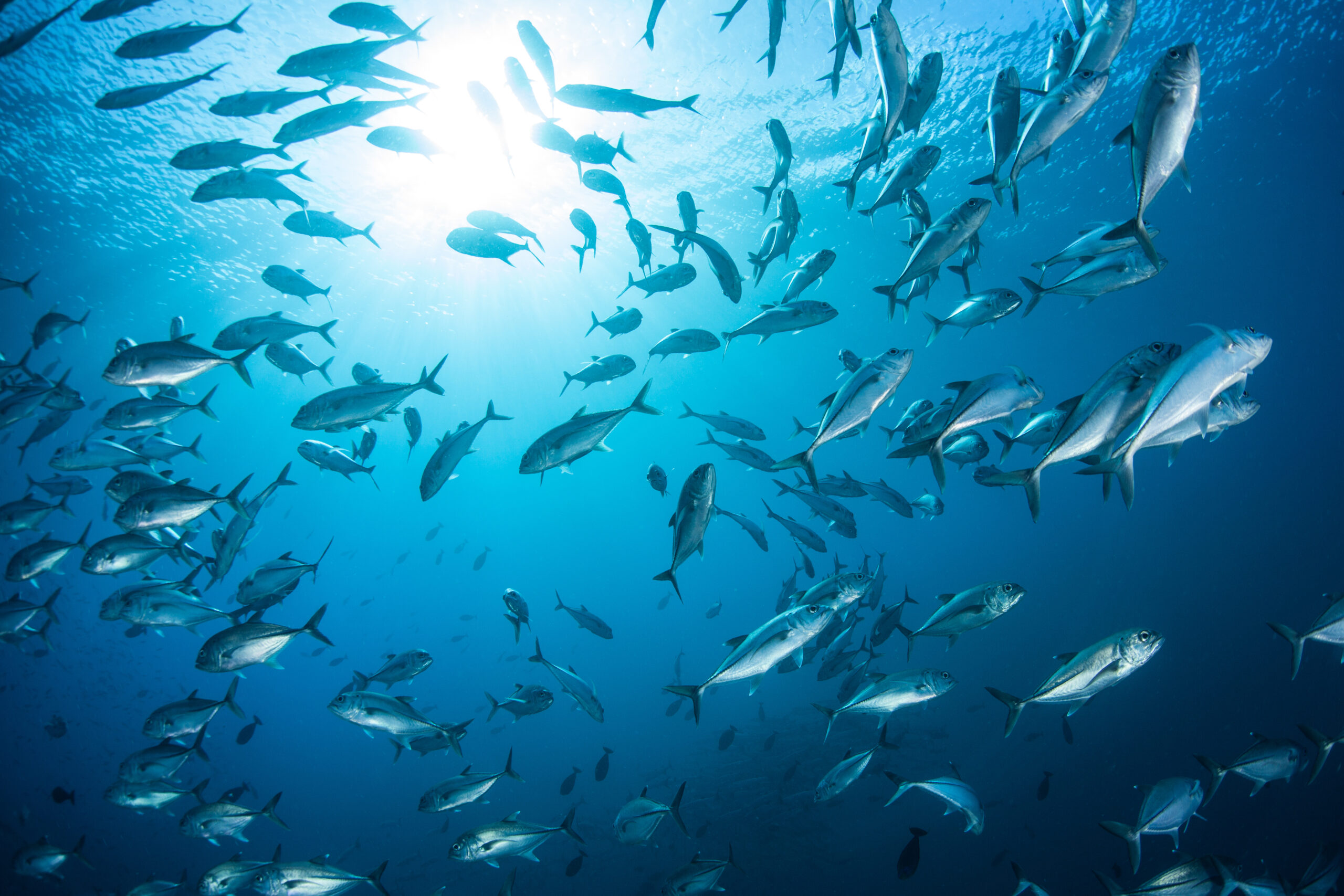
Oceans provide billions of people with their primary source of protein. Sustainable fisheries are critical to feeding the world’s growing population.
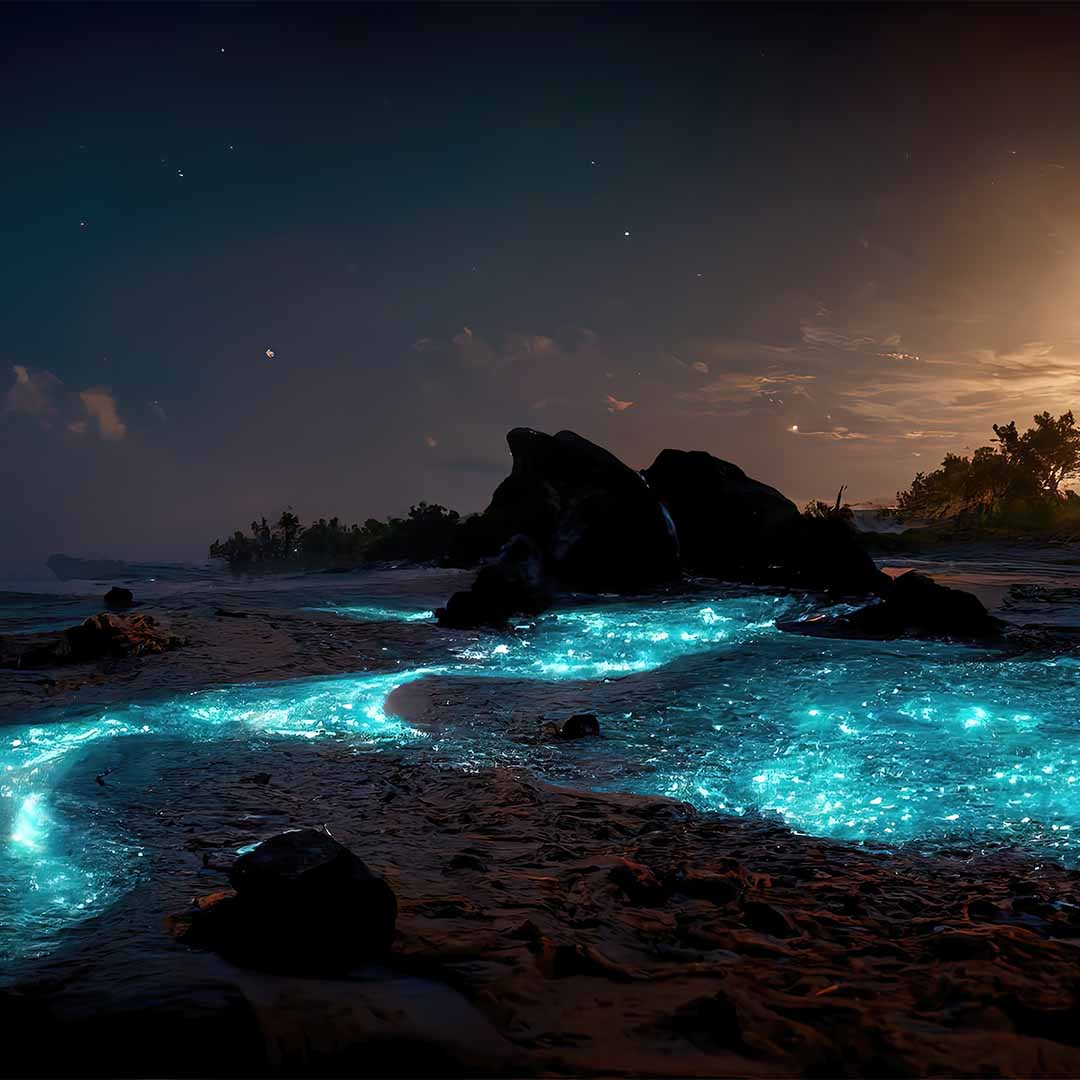
15. What Are Bioluminescent Creatures in the Ocean?
From glowing jellyfish to deep-sea fish, many ocean species produce light through bioluminescence—a survival tool for hunting, defense, and communication.
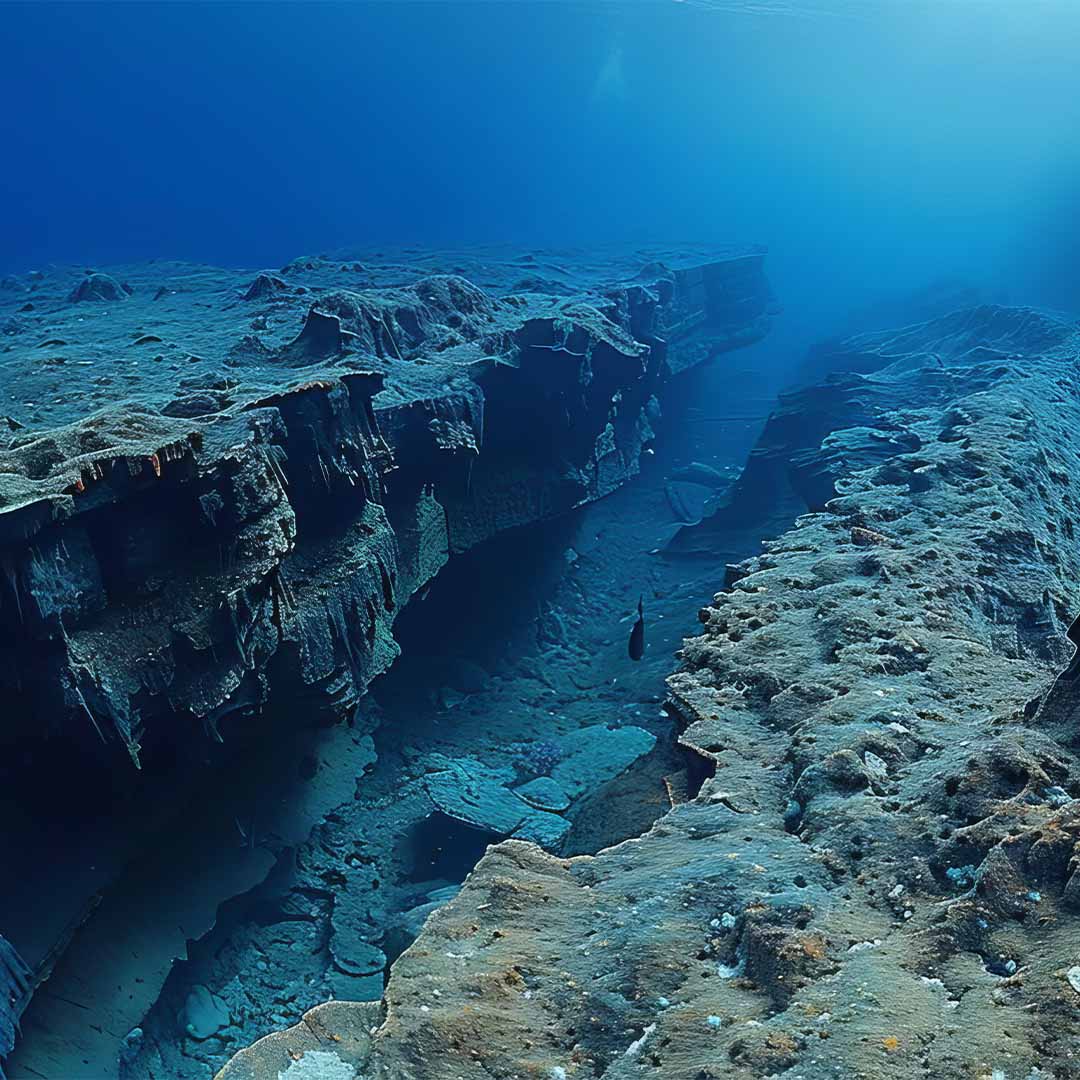
16. What Is the Mid-Atlantic Ridge?
The Mid-Atlantic Ridge is the world’s longest mountain range, stretching more than 40,000 miles beneath the ocean. It’s a tectonic boundary where new seafloor is created.
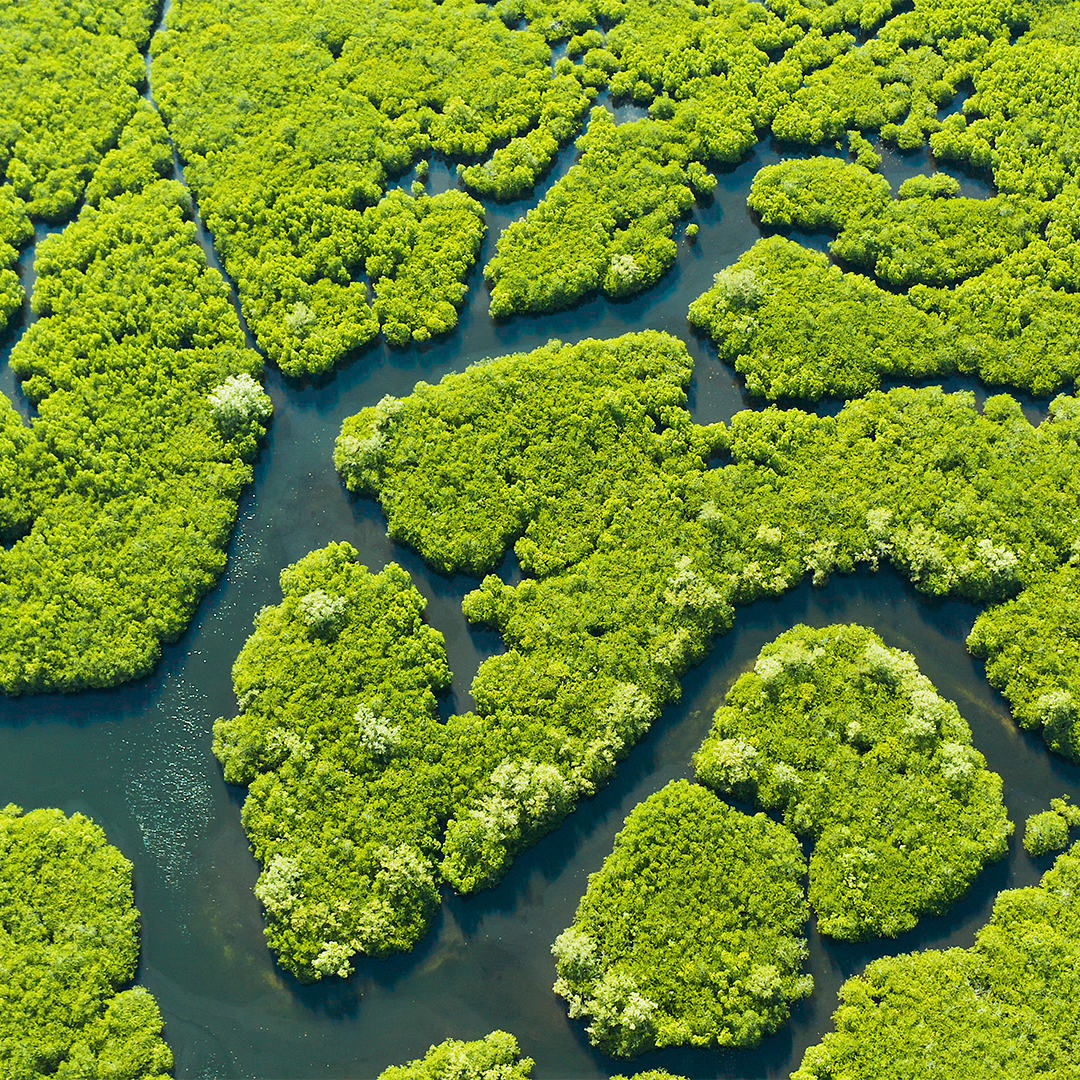
17. What Is the Role of Mangroves and Seagrasses in Oceans?
Mangroves and seagrasses store carbon, protect coastlines, and provide nursery grounds for fish and other marine species.
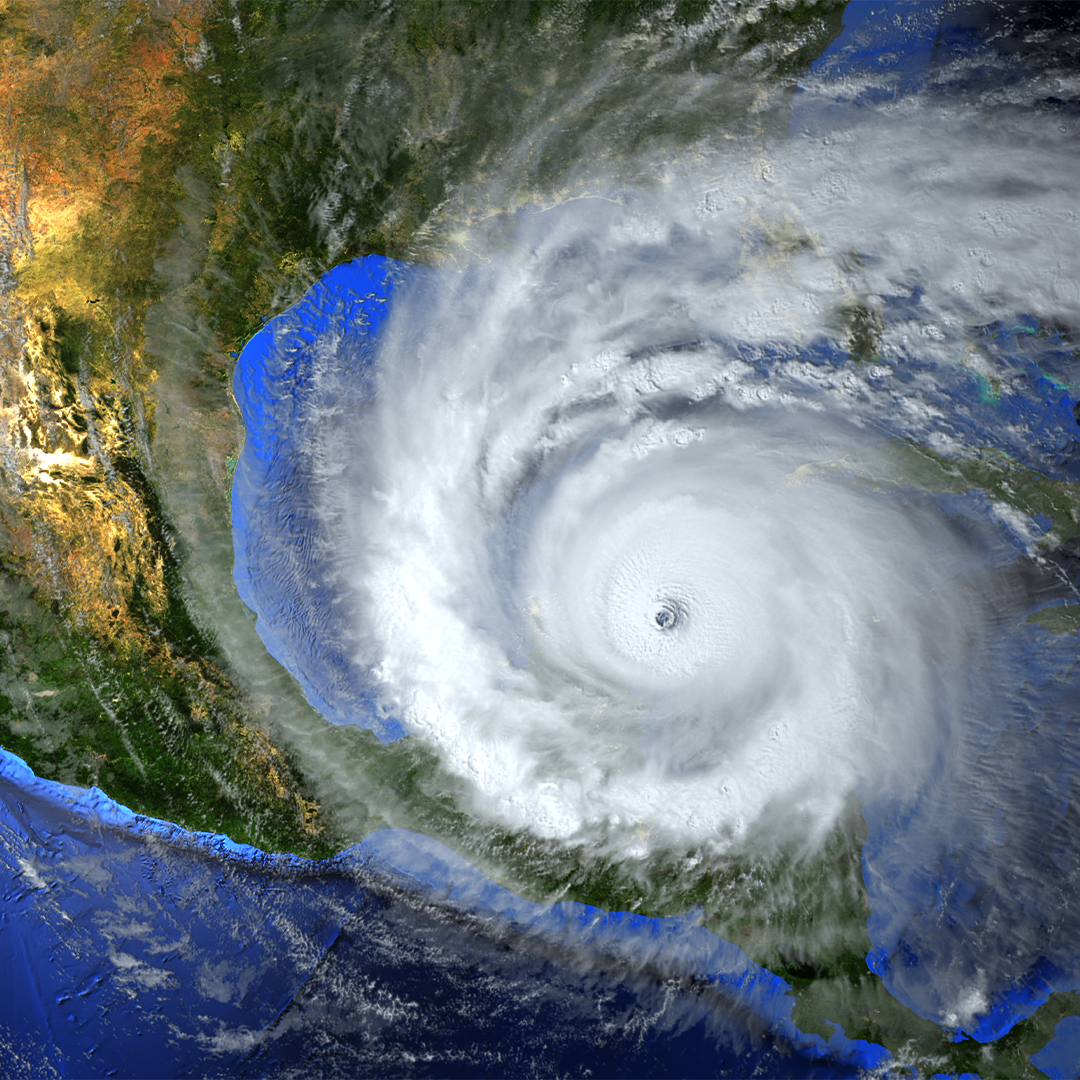
18. How Do Oceans Affect Hurricanes and Storms?
Warm ocean waters fuel hurricanes, making them stronger. Rising sea surface temperatures are linked to more intense storms worldwide.
19. Why Are Oceans Called Carbon Sinks?
Oceans absorb about 30% of human-produced carbon dioxide, slowing climate change. But this also leads to acidification, threatening marine life.

20. Why Must We Protect the Oceans?
Oceans regulate climate, provide food, support biodiversity, and generate oxygen. Protecting them ensures a healthy planet for future generations.
Stay Curious. Keep Exploring.
The ocean is Earth’s life support system—covering more than 70% of our planet, producing oxygen, and regulating climate. At OCEARCH, we believe the key to returning our world’s oceans to balance and abundance lies in studying sharks, the ocean’s balance keepers. By understanding and protecting these apex predators, we can secure a healthier future for our oceans and for us all. Join our mission and help return the world’s oceans to abundance.